If you’ve ever seen someone use the word “skank” in a text, comment, or online chat, you might have paused and wondered: What does that actually mean? Is it slang? Is it offensive? Or is it something playful?
In modern internet culture, words can carry different meanings depending on context, tone, and platform. Skank is one of those words—it can be humorous, insulting, or even completely unrelated to people in certain contexts.
Updated for 2026, this guide will break down the real meaning of “skank”, how it’s used in chats, examples, common mistakes, and when you should (or shouldn’t) use it.
What Does Skank Mean? (Definition & Origin)
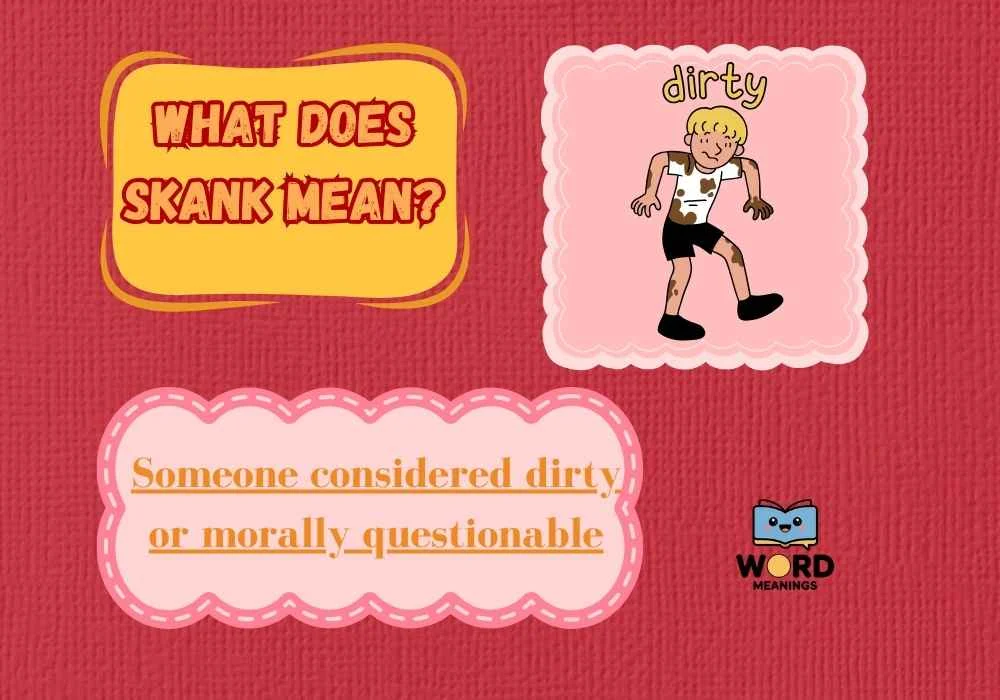
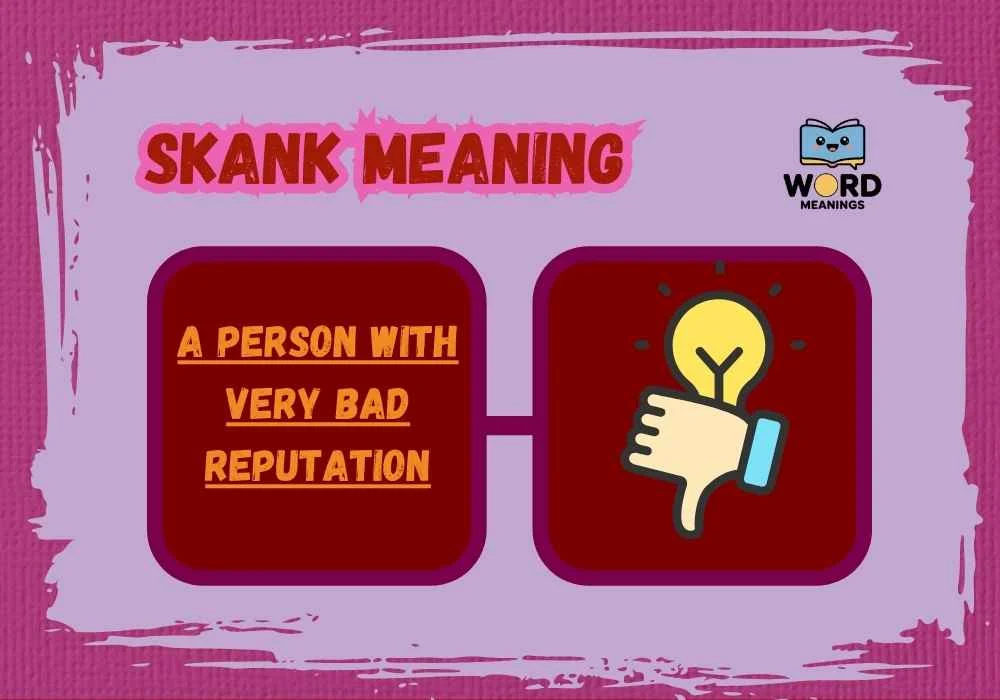
The word skank has multiple meanings, but in chat or texting, it is most commonly used as:
A slang insult referring to someone seen as unpleasant or morally questionable
Simple Meanings
Depending on context, skank can mean:
- An insult for someone considered rude or nasty
- A derogatory term implying poor character or behavior
- Sometimes used jokingly among friends (less common and risky)
⚠️ Important: This word is often considered offensive, especially when directed at someone.
Origin of the Word
The term skank dates back several decades and has evolved over time. It has been used in:
- Street slang
- Pop culture
- Music scenes
Interestingly, in music culture, especially ska and reggae, “skank” has a completely different meaning.
Alternate Meaning (Music Context)
In genres like ska and reggae:
“Skank” refers to a rhythmic guitar style or dance move
So the meaning changes based on context:
- Chat/Text: Usually an insult
- Music: A dance or rhythm style
How to Use Skank in Texts or Chat
Using skank requires caution because it can easily offend people.
Common Ways It Appears
You might see it used like:
- “She’s acting like a skank”
- “Don’t be a skank”
- “That was such a skank move”
Tone Matters
The meaning changes depending on tone:
- Serious tone → Offensive insult
- Joking tone → Risky, may still offend
- Friendly banter → Only if both people are comfortable
When People Use It
It may appear in:
- Arguments or heated discussions
- Social media comments
- Casual chats (rare and risky)
- Pop culture references
Examples of Skank in Conversations
Let’s look at real-world style examples.
Example 1: Negative Use (Insult)
Person A: Did you hear what she did?
Person B: Yeah, that was a skank move
👉 Here, it’s clearly used as an insult.
Example 2: Argument in Chat
User 1: You lied to me
User 2: Stop acting like a skank
👉 This is offensive and disrespectful.
Example 3: Joking (Be Careful)
Friend 1: You took my fries again 😂
Friend 2: Haha sorry, I’m such a skank
👉 This might be playful—but still risky depending on the relationship.
Example 4: Music Context
Message:
“I love how the guitar skanks in this song 🎶”
👉 Here, it has nothing to do with insults.
Common Mistakes or Misunderstandings
Because skank has strong connotations, it’s often misunderstood.
1. Thinking It’s Harmless Slang
❌ Many assume it’s casual slang
✔️ In reality, it can be highly offensive
2. Using It as a Joke With Everyone
Just because one friend laughs doesn’t mean others will.
👉 It’s not universally acceptable humor
3. Confusing It With Music Meaning
Some people don’t realize:
- In music → harmless
- In chat → often insulting
Related Slangs or Abbreviations
Here are some other slang terms you might see in similar contexts:
Savage
Someone bold or brutally honest
Toxic
Describes negative or harmful behavior
Salty
Being upset or bitter
Clown
Someone acting foolish
Trashy
Used to describe poor behavior or taste
⚠️ Note: Many of these can also be offensive depending on usage.
When Should You Use “Skank”?
In most cases, it’s better to avoid using “skank”, especially in:
- Professional conversations
- Public comments
- Messaging people you don’t know well
Safer Alternatives
Instead of using skank, try:
- “That was rude”
- “That behavior wasn’t cool”
- “That was disrespectful”
These communicate your point without offending others.
Skank in Modern Internet Culture (2026Update)
In 2026, online communication is becoming more respectful and mindful. Many platforms discourage offensive language, and users are more aware of tone and impact.
Because of this:
- Words like skank are used less frequently
- People prefer neutral or positive expressions
- There’s more focus on respectful communication
However, the term still appears in:
- Memes
- Pop culture references
- Casual or edgy conversations
Why Understanding Words Like “Skank” Matters
Even if you don’t use it, knowing the meaning of skank helps you:
- Avoid misunderstandings
- Recognize tone in conversations
- Respond appropriately in chats
- Communicate more respectfully
In digital communication, one word can change the entire tone of a message.
Conclusion:
To sum it up, “skank” is a slang term that is usually used as an insult, referring to someone perceived as unpleasant or behaving badly. While it may sometimes be used jokingly, it often carries negative and offensive connotations.
The word also has a completely different meaning in music, where it refers to a rhythm or dance style—but in texting and chat, the context is usually negative.
In 2026, it’s best to use such words carefully—or avoid them altogether—to maintain respectful and positive communication online.
Now it’s your turn:
💬 What’s a slang word you’ve seen online that confused you? Share it in the comments!