Ever got a text like “Plan is tentative” and thought, so… is it happening or not?
You’re not alone. The word tentative shows up a lot in modern texting, chats, emails, and even social media DMs—and its meaning can feel a bit vague if you’re not used to it.
Understanding the tentative meaning in text and chat is important because it helps you read between the lines. In fast-moving online conversations, people often use “tentative” to keep things flexible, non-committal, or polite. Misreading it can lead to awkward misunderstandings or false expectations.
This guide is updated for 2025 and breaks down everything you need to know about tentative in a simple, human, real-world way—no dictionary overload, no robotic explanations.
What Does Tentative Mean? (Definition & Origin)
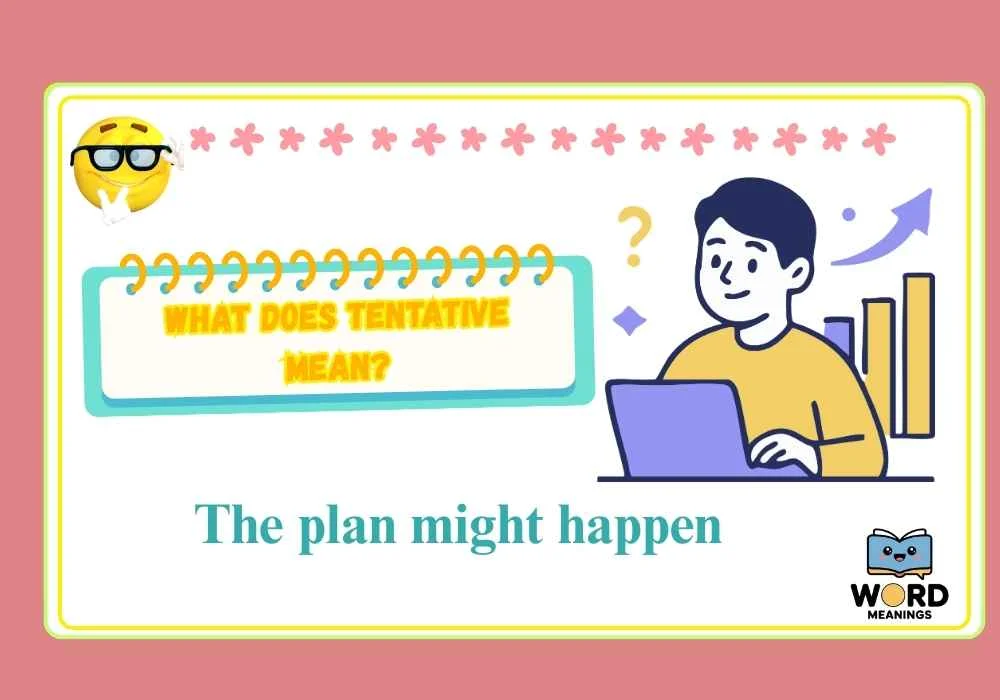
Simple Definition of Tentative
In plain language, tentative means:
Not final, not confirmed, and open to change.
When someone says something is tentative, they’re saying:
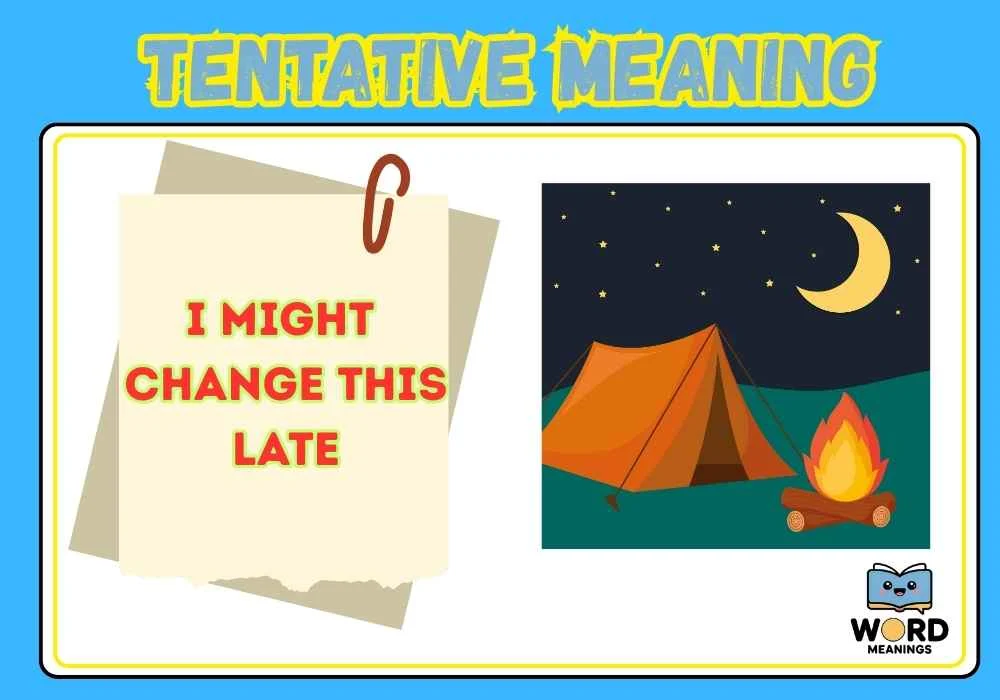
- “I might change this later”
- “Don’t lock this in yet”
- “This depends on other things”
In texting and chat culture, tentative often signals uncertainty or flexibility—without sounding rude or blunt.
Origin of the Word “Tentative”
The word tentative comes from the Latin word tentare, meaning:
- to try
- to test
- to attempt
Over time, it evolved into a word that describes something that’s proposed but not guaranteed. That’s why it fits so naturally into modern communication, where plans change fast and people want to avoid hard commitments.
Tentative Meaning in Text or Chat
In texting, the meaning of tentative depends heavily on context—but the core idea stays the same.
What “Tentative” Usually Implies in Messages
When used in chat, tentative usually means:
- The plan might happen
- The person is not 100% sure
- Confirmation will come later
- Things are subject to change
It’s often used to soften uncertainty so the message doesn’t sound careless or dismissive.
Why People Use “Tentative” in Chats
People choose tentative instead of “maybe” because it sounds:
- More thoughtful
- More polite
- More mature
- Less flaky
For example:
- “Maybe Friday” feels casual
- “Tentatively Friday” feels respectful and intentional
How to Use Tentative in Texts or Chat
Using tentative correctly can make your messages clearer and more professional—even in casual conversations.
Common Situations Where “Tentative” Is Used
You’ll often see or use tentative in:
- 📱 Text messages
- 💬 WhatsApp / Messenger chats
- 📧 Emails
- 🧑💻 Work or freelance discussions
- 📅 Planning events or meetups
Correct Ways to Use Tentative in a Sentence
Here are some natural, real-life examples:
- “Dinner is tentative for Friday night.”
→ It might happen, but don’t count on it yet. - “Tentatively free after 6, will confirm.”
→ Availability isn’t final. - “The meeting time is tentative.”
→ The time could still change. - “I’m tentatively saying yes.”
→ Leaning toward yes, but not locked in.
Pro Tip for Texting 💡
If you use tentative, it’s helpful to follow it with:
- “will confirm”
- “depends on…”
- “I’ll let you know”
This avoids confusion and shows clear communication.
Examples of Tentative in Conversations
Casual Chat Example
Friend: “Movie tonight?”
You: “Tentative 😅 depends on work finishing early.”
➡️ Meaning: You’re interested, but not sure yet.
Work or Professional Chat Example
Colleague: “Can you join the call at 3?”
You: “Tentatively yes, but I may be in another meeting.”
➡️ Meaning: You’re trying, but no guarantee.
Dating or Social Plans Example 💬
Them: “Brunch this weekend?”
You: “Saturday morning is tentative for me.”
➡️ Meaning: Don’t fully plan around it yet.
Online Group Chat Example
Admin: “Event on Sunday, time is tentative.”
➡️ Meaning: Details will be updated later.
Common Mistakes or Misunderstandings
Even though tentative is a simple word, it’s often misunderstood in chat.
Mistake #1: Thinking Tentative Means “Yes”
🚫 Wrong assumption:
- “They said tentative, so it’s confirmed.”
✅ Correct understanding:
- Tentative = not confirmed
Mistake #2: Using Tentative Without Context
❌ “It’s tentative.”
(…Okay, but what is tentative?)
✅ Better:
- “The timing is tentative.”
- “My availability is tentative.”
Mistake #3: Confusing Tentative with Hesitant
They’re related, but not the same.
- Tentative → About plans or decisions not being final
- Hesitant → About personal doubt or reluctance
Example:
- “I’m hesitant to go” ❌ (emotion-based)
- “The plan is tentative” ✅ (logistics-based)
Related Slangs, Words & Alternatives to Tentative
In modern texting, people don’t always use the word tentative. Here are common alternatives and related terms:
Informal Alternatives
- Maybe
- Possibly
- Not sure yet
- Up in the air
- Might be
- TBD (To Be Decided)
More Professional or Polite Alternatives
- Provisionally
- Subject to change
- Pending confirmation
- Likely, but not confirmed
Slang vs Tentative Comparison
| Word | Tone | Certainty |
|---|---|---|
| Maybe | Casual | Low |
| Tentative | Polite/Neutral | Medium |
| Confirmed | Firm | High |
| TBD | Neutral | Very low |
How to Respond When Someone Says “Tentative”
This is where understanding the tentative meaning in chat really helps.
Best Responses
- “No worries, just let me know 👍”
- “Got it—keep me posted.”
- “Okay, I won’t lock it in yet.”
What NOT to Do
- Don’t assume it’s final
- Don’t pressure for instant confirmation
- Don’t build full plans around it
Tentative Meaning on Social Media & Online Platforms
On platforms like:
- Twitter / X
- Instagram captions
- Slack or Discord
- Reddit threads
Tentative is often used to signal early plans, leaks, or soft announcements.
Example:
- “Tentative release date: June 2025”
➡️ Translation: This could change.
Is “Tentative” Still Relevant in 2026?
Absolutely. In fact, it’s more relevant than ever.
In 2025:
- Schedules change fast
- Remote work is common
- Plans are flexible
- People value soft commitments
The word tentative fits perfectly into modern, low-pressure communication.
Quick Summary: Tentative Meaning in Text
- Tentative = not final
- Common in texting, chat, and online conversations
- Signals flexibility, uncertainty, or pending confirmation
- Polite alternative to “maybe”
- Should always be clarified later
Conclusion:
The tentative meaning in text and chat is all about flexibility. When someone uses the word tentative, they’re not rejecting a plan—they’re keeping the door open while avoiding false promises. It’s a smart, respectful way to communicate uncertainty in today’s fast-paced digital world.
Now that you understand how tentative works in real conversations, you’ll be better at reading messages—and writing clearer ones yourself. No more confusion, no more awkward assumptions.
👉 Updated for 2026, this guide reflects how people actually talk online today.