In today’s fast-moving digital world, words often change their vibe depending on context. One such word that frequently confuses people—especially non-native speakers, students, and online professionals—is subordinate. You might see it in workplace chats, online forums, or even memes, and think: “Is this formal? Is it rude? Can I use it in texting?”
That’s exactly why understanding the subordinate meaning in chat or text matters. This guide breaks it down in simple, human language, with real examples you’ll actually see online.
✅ Updated for 2025 to reflect modern usage and digital communication trends.
What Does “Subordinate” Mean? (Definition & Origin)
Basic Meaning of Subordinate
The word subordinate generally means:
Someone who is lower in rank, position, or authority compared to someone else.
In simple terms:
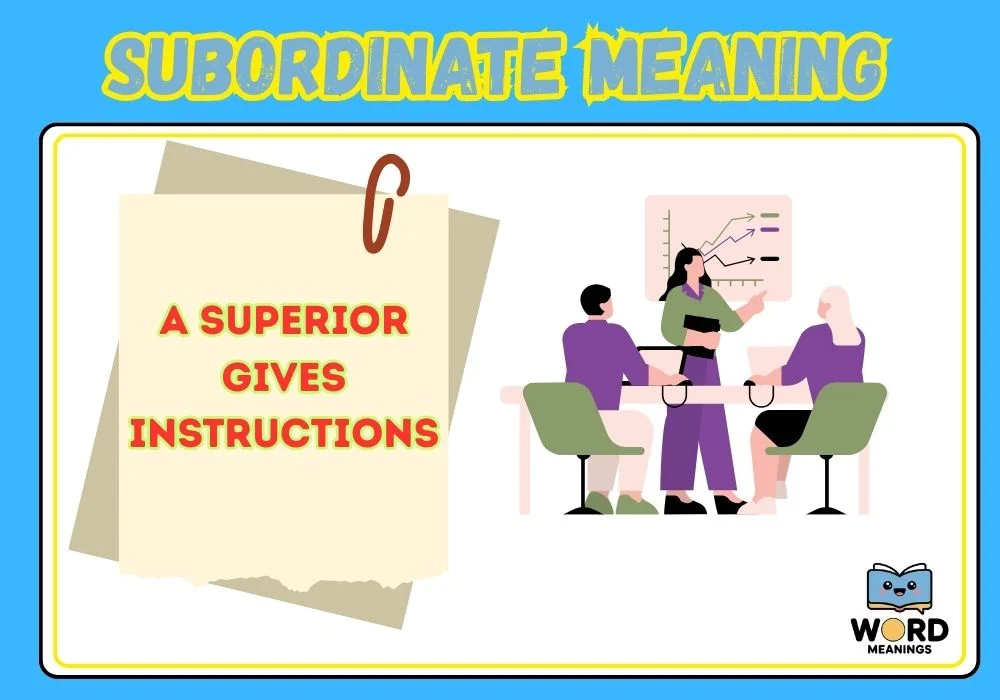
- A subordinate follows instructions
- A superior gives instructions
Example (general):
“Managers are responsible for guiding their subordinates.”
Origin of the Word
- Origin: Latin subordinatus
- Meaning: placed in a lower order
- First known use: Early 1600s
Originally, it was used in military, government, and academic contexts, but today it has expanded into office chats, emails, online discussions, and even casual texts.
Subordinate Meaning in Chat or Text
In chat or texting, subordinate doesn’t usually act as slang, but it does take on a softer or situational tone depending on how it’s used.
In Modern Texting, Subordinate Often Means:
- A junior employee
- Someone reporting to another person
- A lower-priority task or idea
- Occasionally, someone being passive or submissive (context matters)
Example (work chat):
“Please loop in your subordinate on this task.”
Example (casual discussion):
“That issue is subordinate to the main problem.”
👉 In texts, it’s less about power and more about structure or priority.
How to Use “Subordinate” in Texts or Chats
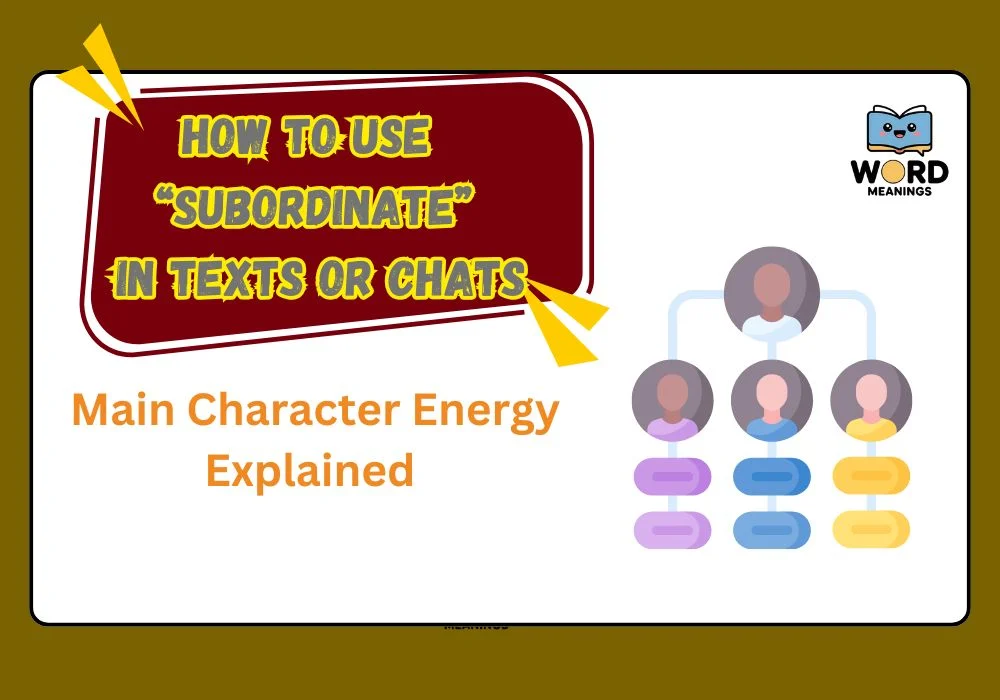
Using subordinate correctly depends heavily on context and tone.
1. Professional or Workplace Chats
Most common usage is in:
- Slack
- Microsoft Teams
- Emails
- LinkedIn messages
Correct examples:
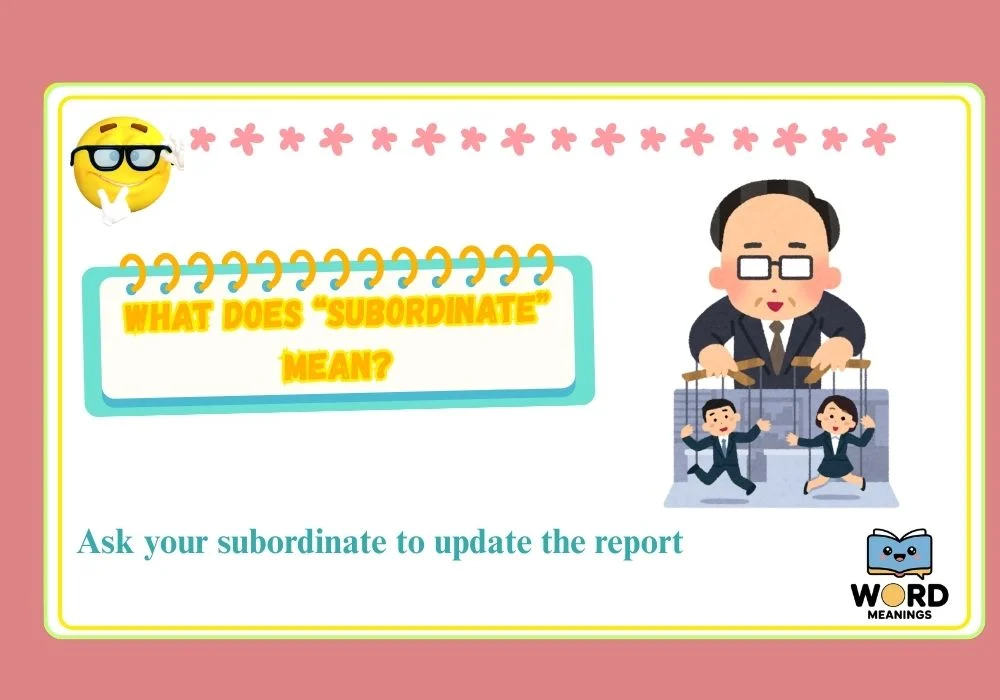
- “Ask your subordinate to update the report.”
- “Each manager should guide their subordinates clearly.”
✔ Neutral
✔ Professional
✔ Common in corporate settings
2. Academic or Informational Chats
Used when explaining hierarchy or importance.
Examples:
- “This clause is subordinate to the main sentence.”
- “Secondary goals are subordinate to the primary objective.”
3. Casual or Online Discussions
Here’s where misunderstandings happen.
Example:
“Stop acting like everyone is your subordinate 💀”
⚠️ This can sound:
- Sarcastic
- Rude
- Power-flexing
Tone + emojis = meaning shift.
Examples of “Subordinate” in Real Conversations (2025 Style)
Workplace Chat Example
Alex: Who’s handling the client follow-up?
Sam: I asked my subordinate to take care of it.
Online Forum Example
“Creative freedom should never be subordinate to corporate pressure.”
Text Message Example
“That issue is subordinate rn, let’s fix the bigger problem first.”
Social Media Example
“Respect isn’t about superiors and subordinates—it’s about humans.”
Common Mistakes & Misunderstandings
Many people misuse or avoid subordinate because it sounds harsh. Let’s clear that up.
❌ Mistake 1: Thinking It’s Always Insulting
Nope. It’s not automatically rude. It’s descriptive, not abusive.
✔ Correct:
“She manages five subordinates.”
❌ Mistake 2: Using It in Casual Friend Chats
Calling a friend your subordinate can feel awkward or disrespectful.
❌ “Bro you’re my subordinate”
✔ “Bro you’re helping me out”
❌ Mistake 3: Confusing It with “Assistant”
An assistant is a role.
A subordinate is a hierarchical position.
Subordinate vs Similar Words (Quick Comparison)
| Word | Meaning | Tone |
|---|---|---|
| Subordinate | Lower rank | Neutral/Formal |
| Junior | Less experienced | Friendly |
| Assistant | Helps someone | Neutral |
| Underling | Lower rank | Often negative |
| Employee | Works for someone | Neutral |
Related Slangs or Abbreviations (Internal Linking Ideas)
While subordinate itself isn’t slang, it often appears alongside modern terms:
- Bossed around – being controlled
- NPC energy – passive behavior (Gen-Z slang)
- Main character – opposite of subordinate vibe
- Low-priority (LP) – tasks subordinate to main goals
- Chain of command – hierarchy explanation
👉 Internal linking tip:
Link this article to posts like:
- “NPC Meaning in Chat”
- “Main Character Energy Explained”
- “Corporate Slang Meanings 2025”
When Should You Use “Subordinate” in Text?
Use subordinate when:
✔ You’re speaking professionally
✔ Explaining hierarchy
✔ Discussing priorities
✔ Writing formally
Avoid it when:
❌ Chatting casually with friends
❌ Joking without clear context
❌ The power dynamic isn’t real
Is “Subordinate” Still Relevant in 2025?
Yes—but usage has evolved.
In 2025:
- Remote work made language more mindful
- People prefer respect-based terms
- “Team member” is often used instead
Still, subordinate remains correct, useful, and widely understood—especially in professional and academic contexts.
SEO Quick Recap: Subordinate Meaning
- Subordinate meaning in chat: Someone lower in rank or priority
- Tone: Neutral to formal
- Not slang, but common in digital communication
- Context matters more than the word itself
Conclusion:
Understanding the subordinate meaning in chat or text helps you communicate clearly without sounding rude, outdated, or confusing. While it’s not a trendy slang term, it remains powerful, precise, and relevant—especially in professional conversations and structured discussions.
In 2025, language is all about intent and tone. Use subordinate thoughtfully, and it will sound smart—not stiff. Use it carelessly, and it may come off wrong. Context is everything.