Every year during the holy month of Ramadan, millions of Muslims around the world greet each other with the phrase “Ramadan Mubarak.” If you’ve seen this message on social media, WhatsApp, or heard it in conversation, you might wonder what it actually means and when it should be used.
Understanding the Ramadan Mubarak meaning is important because it is more than just a greeting—it carries spiritual warmth, blessings, and a sense of community. Whether you are Muslim or simply interacting with Muslim friends, knowing the meaning and proper usage of this phrase helps you participate respectfully in an important religious tradition.
In this guide, we’ll explain the meaning, origin, usage, and examples of “Ramadan Mubarak.” This article is updated for 2025 and includes how the phrase is commonly used today in texts, social media posts, and everyday conversations.
What Does “Ramadan Mubarak” Mean? (Definition & Origin)
The phrase “Ramadan Mubarak” comes from Arabic.
- Ramadan – The ninth month of the Islamic calendar, a holy month of fasting, prayer, reflection, and charity.
- Mubarak – An Arabic word meaning “blessed.”
So the literal Ramadan Mubarak meaning is:
“Blessed Ramadan.”
When someone says Ramadan Mubarak, they are wishing you a blessed and spiritually rewarding Ramadan.
Why People Say Ramadan Mubarak
The greeting is used to:
- Wish blessings during the holy month
- Show respect and goodwill
- Celebrate the start or continuation of Ramadan
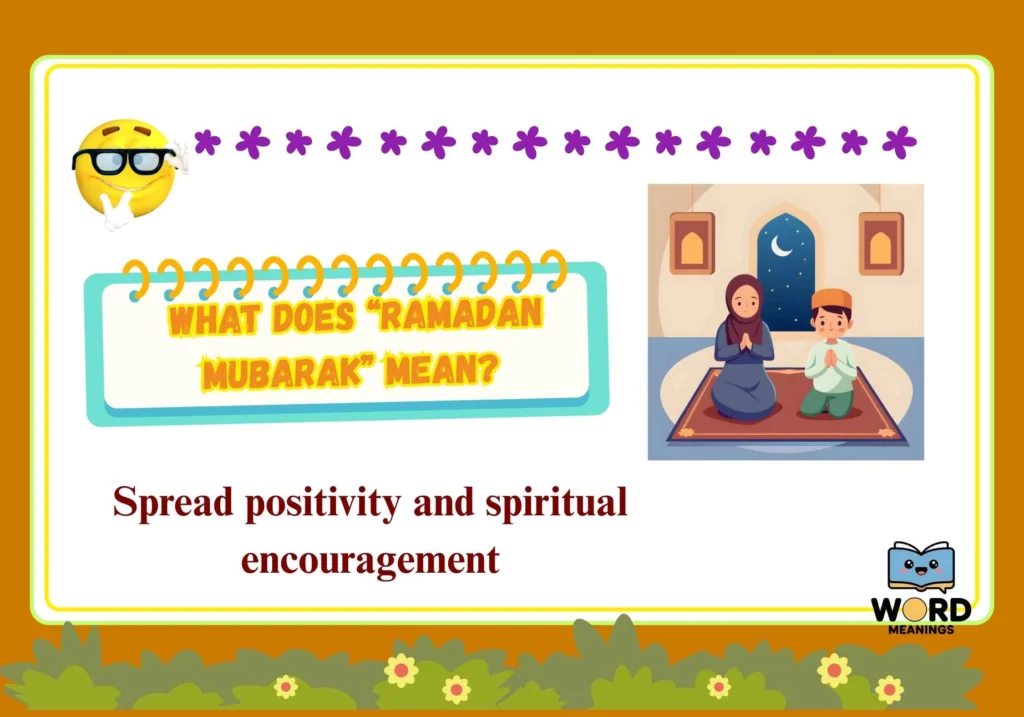
- Spread positivity and spiritual encouragement
Example:
Person 1: Ramadan Mubarak!
Person 2: Ramadan Mubarak to you too!
How to Use “Ramadan Mubarak” in Texts or Chat
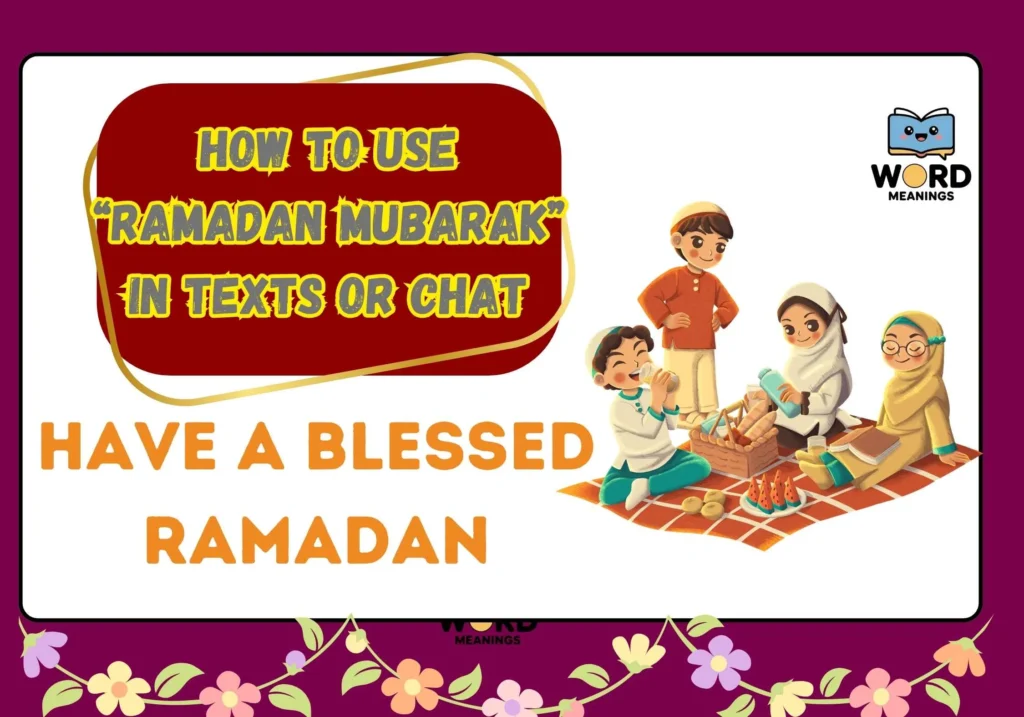
In modern communication, Ramadan Mubarak is widely used in both spoken conversation and digital messages.
You’ll often see it in:
- WhatsApp messages
- Instagram captions
- Facebook posts
- Twitter/X posts
- Text messages
- Community announcements
1. Greeting Someone at the Start of Ramadan
One of the most common uses is when Ramadan begins.
Example:
Friend: Ramadan Mubarak! May this month bring peace and blessings.
2. Sending a Message to Family or Friends
People often send greetings through messaging apps.
Example:
Message:
Ramadan Mubarak! May Allah accept your fasting and prayers.
3. Social Media Posts
Many people post Ramadan greetings online.
Example caption:
Ramadan Mubarak to everyone celebrating. May this month bring peace, forgiveness, and blessings.
4. Community or Workplace Greetings
Even in multicultural workplaces, people may greet colleagues with this phrase.
Example:
Wishing all our Muslim colleagues Ramadan Mubarak.
Examples of “Ramadan Mubarak” in Conversations
To understand how the phrase naturally fits into conversation, here are some common examples.
Example 1: Simple Greeting
Ali: Ramadan Mubarak!
Ahmed: Ramadan Mubarak! May Allah bless your month.
Example 2: Text Message
Message:
Ramadan Mubarak! I hope this month brings peace, patience, and blessings to you and your family.
Example 3: Social Media Comment
Ramadan Mubarak to everyone observing the fast. May your prayers be accepted.
Example 4: Friendly Conversation
Friend: Ramadan Mubarak! How is fasting going?
You: Alhamdulillah, it’s going well.
Example 5: Funny or Relatable Example
Sometimes friends use humor during Ramadan.
Friend: Ramadan Mubarak!
Other Friend: Mubarak! Just counting the hours until iftar 😅
Common Mistakes or Misunderstandings
Even though the phrase is widely known, some misunderstandings still occur.
1. Confusing “Ramadan Mubarak” with “Ramadan Kareem”
Both greetings are used during Ramadan, but they have slightly different meanings.
Ramadan Mubarak
- Means “Blessed Ramadan.”
- Focuses on wishing blessings.
Ramadan Kareem
- Means “Generous Ramadan.”
- Highlights the generosity and charity associated with the month.
Both greetings are widely accepted and used interchangeably.
2. Thinking Only Muslims Can Say It
Anyone can say Ramadan Mubarak as a respectful greeting.
Non-Muslims often use it to show respect to Muslim friends, coworkers, or neighbors.
3. Using It Only on the First Day
While it’s common to say it at the start of Ramadan, the greeting can be used throughout the entire month.
Related Islamic Greetings and Phrases
If you’re learning about Islamic greetings, here are a few related phrases you might encounter.
Common Greetings
- Ramadan Kareem – Generous Ramadan
- Eid Mubarak – Blessed Eid (used during Eid celebrations)
- Assalamu Alaikum – Peace be upon you
- Wa Alaikum Assalam – And peace be upon you too
Common Ramadan Expressions
People also say:
- May Allah accept your fasts
- May your prayers be accepted
- Have a blessed Ramadan
These phrases often accompany Ramadan Mubarak in greetings.
When and Where People Use “Ramadan Mubarak”
The phrase is used in many different situations.
Common Places You’ll See It
- Family gatherings
- Mosques
- Social media posts
- Text messages and group chats
- Community events
- Workplace greetings
Popular Platforms Where It Appears
In 2025, Ramadan greetings are widely shared online.
Examples include:
- Instagram Ramadan posts
- WhatsApp family messages
- TikTok Ramadan content
- Facebook greetings
- Twitter/X posts
Example post:
Ramadan Mubarak 🌙 May this month bring peace, patience, and blessings to everyone observing.
Cultural and Spiritual Importance of Ramadan Greetings
The phrase Ramadan Mubarak is not just a casual greeting—it reflects the spiritual atmosphere of the holy month.
During Ramadan, Muslims focus on:
- fasting from dawn to sunset
- prayer and reflection
- reading the Quran
- charity and kindness
- strengthening community bonds
Greeting someone with Ramadan Mubarak is a way to share blessings and encouragement during this sacred time.
Modern Usage of “Ramadan Mubarak” in 2025
In recent years, the greeting has become even more visible globally due to social media.
Trending Uses Online
People often combine the phrase with:
- moon emojis 🌙
- lantern emojis 🏮
- mosque imagery
- Ramadan countdown posts
Example:
Ramadan Mubarak 🌙
May your prayers be accepted and your hearts filled with peace.
Creative Digital Greetings
You might see messages like:
- Ramadan Mubarak to my amazing family ❤️
- Wishing everyone a peaceful and blessed Ramadan
- Ramadan Mubarak! Time for reflection, gratitude, and growth
Quick Summary: Ramadan Mubarak Meaning
Here’s a quick recap:
- Ramadan Mubarak means “Blessed Ramadan.”
- It is a greeting used during the Islamic holy month of Ramadan.
- The phrase wishes blessings, peace, and spiritual success.
- It is commonly used in conversation, texts, and social media posts.
- Anyone can say it as a respectful greeting.
Conclusion:
The phrase Ramadan Mubarak is one of the most widely used greetings during the holy month of Ramadan. It simply means “Blessed Ramadan,” but its significance goes much deeper. It represents kindness, spiritual reflection, and a shared sense of community among people observing the month.
In today’s connected world, the greeting is commonly shared through texts, social media posts, and messages, allowing people to send their blessings to friends and family around the globe.
Understanding the Ramadan Mubarak meaning helps you appreciate the cultural and spiritual importance behind this beautiful phrase.
Updated for 2025, this guide should help you confidently use and understand the greeting whenever you see or hear it.
💬 Now it’s your turn:
Do you have a favorite Ramadan greeting or message? Share it in the comments!