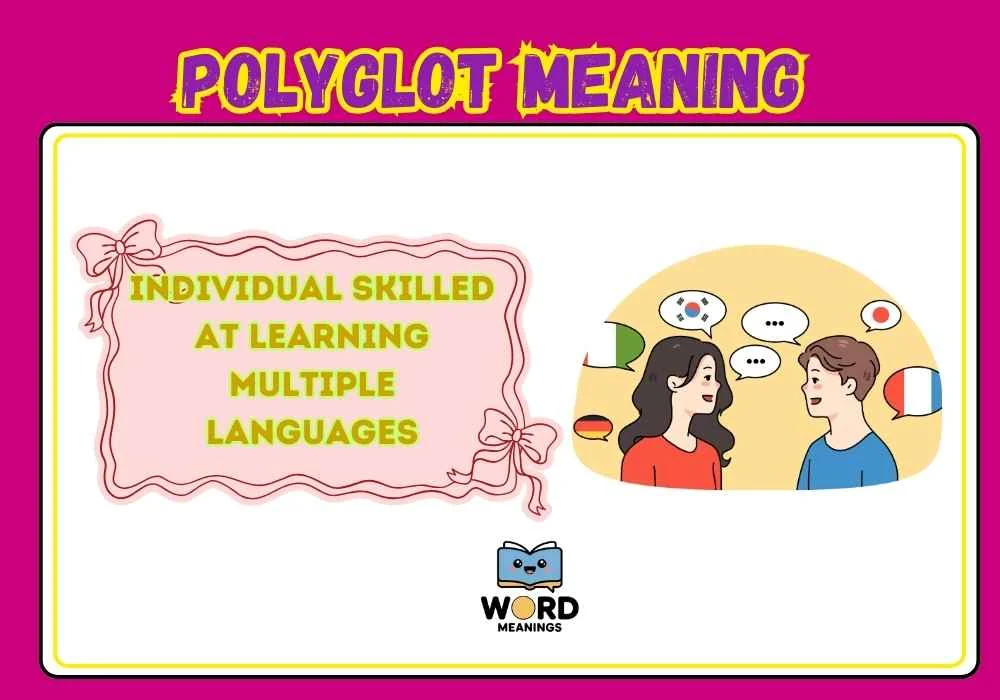
Language is one of the most powerful tools humans have for communication. In a world where people connect through social media, global workplaces, and international communities, the ability to speak multiple languages has become more valuable than ever. That’s where the word polyglot comes in.
You may have seen someone describe themselves as a polyglot on platforms like YouTube, LinkedIn, or language-learning forums. Sometimes people even use the term jokingly in chats or texts when someone speaks many languages fluently.
So what exactly does polyglot mean? And how is it used in modern communication?
In this comprehensive guide (updated for 2026), we’ll explore:
- The meaning and origin of polyglot
- How people use the term in conversations and online communities
- Examples of polyglots in real-life situations
- Common misunderstandings about the word
- Related language-learning slang and terms
By the end, you’ll fully understand what polyglot means and how to use the word correctly.
What Does “Polyglot” Mean? (Definition & Origin)
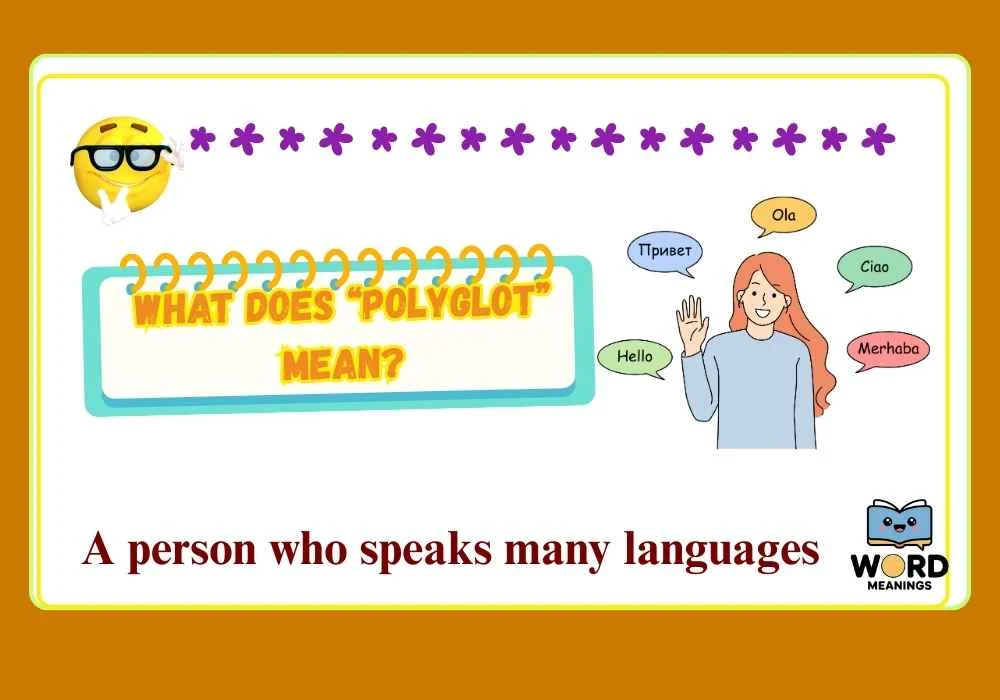
A polyglot is a person who can speak multiple languages fluently.
The term is commonly used for individuals who can communicate in three or more languages, although technically it simply refers to someone who knows several languages.
Simple Definition
Polyglot: A person who speaks or understands many languages.
Example:
“Maria is a polyglot who speaks Spanish, English, French, and German.”
Origin of the Word “Polyglot”
The word polyglot comes from Greek roots:
- Poly = many
- Glotta (or glōssa) = tongue or language
Together, the term literally means “many tongues”, which refers to the ability to speak several languages.
Historically, the word has been used for centuries to describe multilingual scholars, travelers, and diplomats.
Polyglot vs Multilingual
People often confuse polyglot with multilingual.
Here’s the difference:
Multilingual
- A person who speaks more than one language.
Polyglot
- Someone who speaks many languages, often with a high level of proficiency.
Example:
- Someone speaking English and Spanish may be multilingual.
- Someone speaking English, Spanish, French, German, and Italian may be called a polyglot.
How to Use “Polyglot” in Texts or Chat
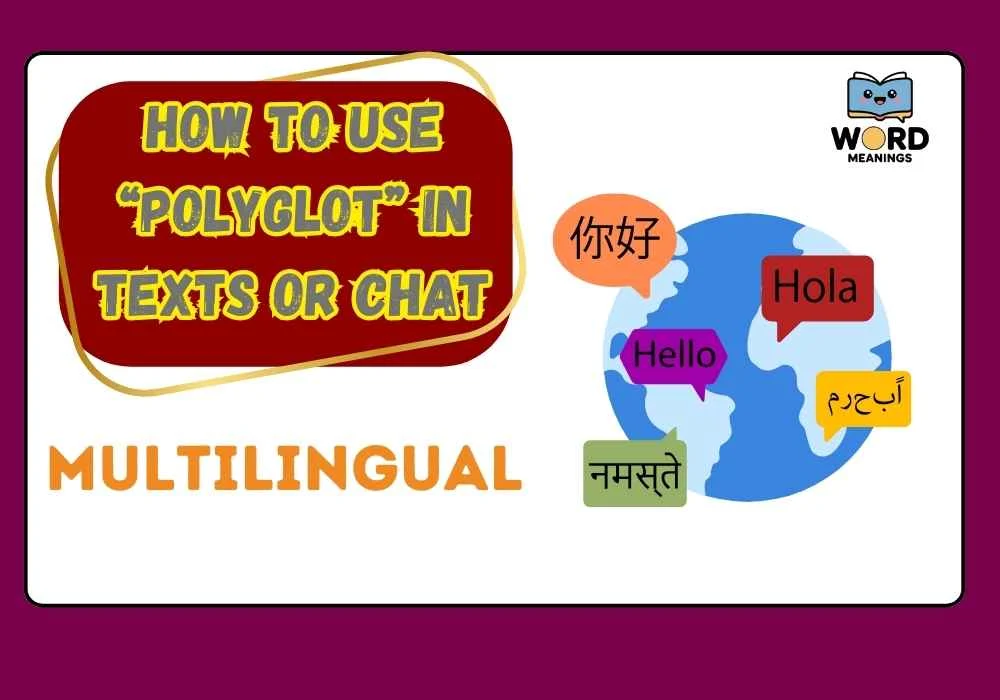
The word polyglot isn’t an abbreviation like typical texting slang, but it appears frequently in online conversations, bios, and social media posts.
People use it to describe themselves or others who have strong language skills.
Common Contexts Where “Polyglot” Is Used
You may see the term used on:
- Social media profiles
- Language learning communities
- Travel blogs
- Online forums
- Professional networking platforms
- YouTube language channels
Example bio:
“Traveler | Coffee lover | Polyglot speaking 6 languages.”
Example Chat Usage
Friend 1: How many languages do you speak?
Friend 2: Five actually.
Friend 1: Wow, you’re basically a polyglot!
Another Example
User: I’m learning Japanese now.
Friend: Nice! Soon you’ll be a polyglot.
Social Media Caption Example
“Learning my 4th language this year. Road to becoming a polyglot.”
Examples of “Polyglot” in Conversations
Here are some realistic scenarios showing how the word is used in everyday communication.
Example 1: Travel Conversation
Traveler: I love visiting different countries.
Friend: That must help with your languages.
Traveler: Yes! I speak four now.
Friend: That’s impressive — you’re a polyglot.
Example 2: Language Learning Community
User 1: How many languages do you speak?
User 2: Spanish, English, Portuguese, and Italian.
User 1: That’s amazing. Total polyglot vibes.
Example 3: Job Interview
Interviewer: I see you speak several languages.
Candidate: Yes, five fluently.
Interviewer: That makes you quite the polyglot.
Example 4: Funny Chat
Friend: I can say “hello” in 10 languages.
Friend 2: Relax, polyglot 😂
Real-Life Polyglot Scenarios
Many people around the world are considered polyglots.
Here are common situations where polyglots exist.
1. International Travelers
People who travel frequently often learn several languages.
Example:
- English
- Spanish
- French
- Italian
2. Diplomats and Translators
Professionals working in international relations often speak many languages.
Example:
- English
- Arabic
- French
- Russian
3. Language Enthusiasts
Some people simply love learning languages as a hobby.
Many YouTubers and language influencers call themselves polyglots.
4. Multicultural Families
Someone raised in a multicultural household may naturally become a polyglot.
Example:
- Speaking one language at home
- Another at school
- Another in the community
Common Mistakes or Misunderstandings
Even though polyglot is widely used, people sometimes misunderstand it.
Here are the most common mistakes.
1. Thinking Polyglot Means “Translator”
A translator is someone who converts text between languages.
A polyglot simply knows multiple languages.
While many translators are polyglots, the two terms are not the same.
2. Assuming You Must Speak 10+ Languages
Some people believe you need to speak many languages perfectly to be called a polyglot.
In reality:
- Speaking 3–4 languages well can qualify someone as a polyglot.
3. Confusing Polyglot With “Linguist”
A linguist studies language scientifically.
A polyglot speaks many languages.
A person can be both, but they are different roles.
Related Slangs or Language Terms
If you’re interested in language-related vocabulary, here are some related terms.
Multilingual
Someone who speaks multiple languages.
Example:
“Our company prefers multilingual employees.”
Bilingual
A person who speaks two languages fluently.
Example:
“She’s bilingual in Spanish and English.”
Linguist
A person who studies language structure, grammar, and communication.
Example:
“He works as a linguist at a university.”
Hyperpolyglot
An extremely rare term for someone who speaks 10 or more languages fluently.
Example:
“Some famous hyperpolyglots can speak 20 languages.”
Internal Linking Suggestions (For SEO)
If you’re publishing this article on a blog, consider linking to related topics like:
- Multilingual Meaning Explained
- Bilingual Meaning in Language Learning
- Linguist Meaning and Career Guide
- Slang Words Used on Social Media
Internal links help readers explore related topics and improve your site’s SEO performance.
Why the Word “Polyglot” Is Trending in 2026
The popularity of polyglot culture has grown significantly in recent years.
Several trends have contributed to this:
Global Remote Work
Many companies now hire internationally, increasing the demand for multilingual skills.
Language Learning Apps
Apps like language-learning platforms have made it easier for people to learn new languages.
Social Media Influencers
Language influencers and YouTubers often share their journeys of becoming polyglots.
Cultural Curiosity
People today are more interested in global cultures, travel, and communication than ever before.
Because of this, the word polyglot appears frequently in online communities and conversations.
Conclusion:
The word polyglot refers to someone who can speak several languages fluently. The term comes from Greek roots meaning “many tongues,” and it has been used for centuries to describe people with strong multilingual abilities.
Today, the word appears often in social media profiles, language-learning communities, travel blogs, and online conversations. While it’s not exactly internet slang, it’s widely recognized in modern digital culture.
As global communication grows and language learning becomes more accessible, the number of polyglots around the world continues to increase. Whether you speak two languages or are working toward mastering several, the journey of language learning can open doors to new cultures, friendships, and opportunities.
Now we’d love to hear from you:
💬 How many languages do you speak or want to learn? Share your answer in the comments!