In everyday conversations, academic discussions, and even online chats, you might come across the word “pertinent.” If someone says, “That’s a pertinent question,” they’re highlighting that the question is especially relevant to the topic being discussed.
Understanding words like pertinent is important because clear communication—whether in texting, professional discussions, or social media—depends on using the right vocabulary. In many situations, the word helps people emphasize that something is directly related, meaningful, or important to the matter at hand.
In this detailed guide, we’ll explain the pertinent meaning, its origin, how it’s used in conversations, examples in real-life scenarios, common misunderstandings, and related words. This guide is updated for 2025 to reflect modern communication styles and usage across digital platforms.
What Does “Pertinent” Mean? (Definition & Origin)
The word pertinent means:
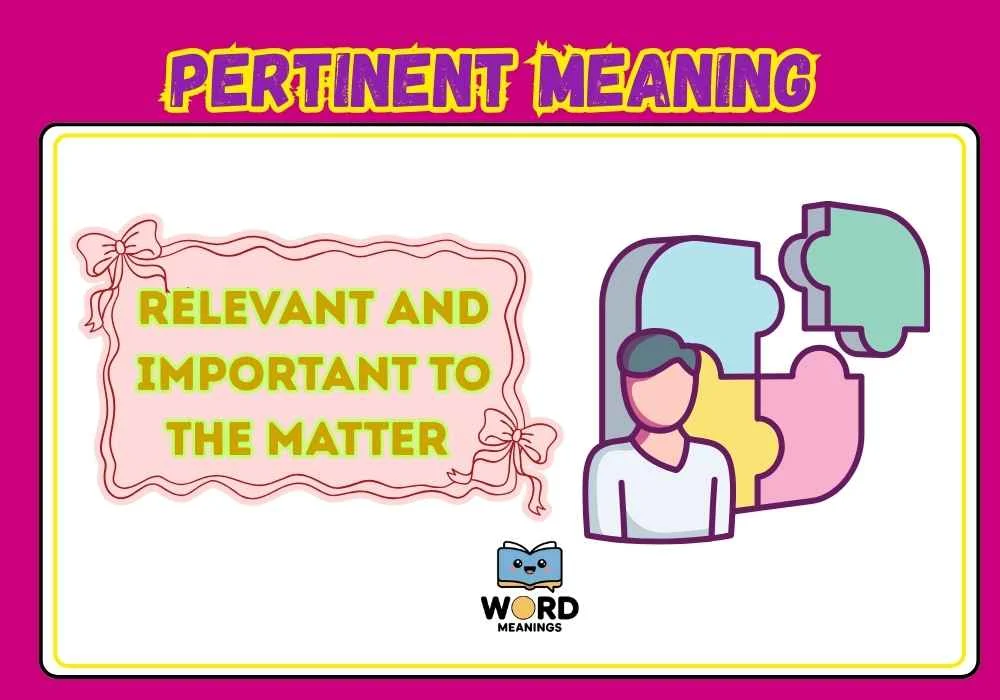
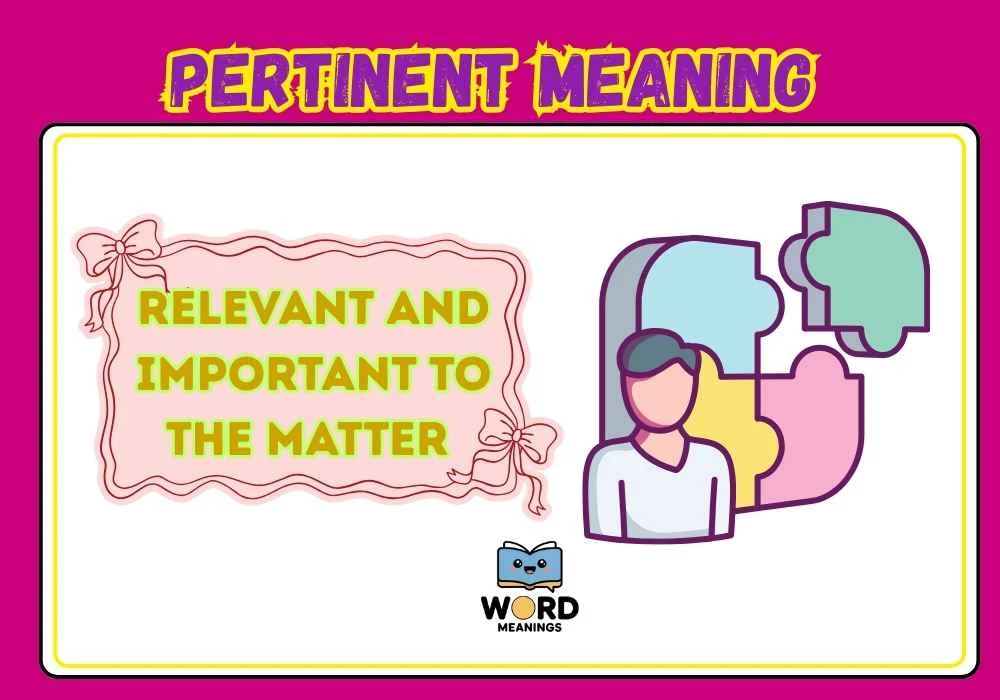
Relevant, directly related, or applicable to a particular topic or situation.
When something is pertinent, it contributes useful or important information that helps clarify the discussion.
Simple Definition
Pertinent = Relevant or directly connected to the matter being discussed.
Example:
“She asked a pertinent question during the meeting.”
This means the question was important and directly related to the topic.
Origin of the Word
The term pertinent comes from the Latin word “pertinere,” which means to belong to or to relate to something.
Over time, the word entered the English language and became commonly used in:
- academic discussions
- business communication
- formal writing
- debates and presentations
Today, the word also appears in online discussions, blogs, and social media conversations when someone wants to highlight something important or relevant.
How to Use “Pertinent” in Texts or Conversations
Although pertinent is more formal than typical internet slang, it’s still commonly used in everyday communication—especially when discussing ideas, problems, or questions.
Here are some ways the word appears in conversations.
1. Highlighting an Important Question
People often use pertinent to describe a question that directly relates to the topic.
Example:
“That’s a pertinent question about the project deadline.”
Meaning: The question is important and relevant to the discussion.
2. Referring to Relevant Information
When someone shares information that helps clarify a topic, it can be called pertinent information.
Example:
“Please provide any pertinent details about the issue.”
Meaning: Share details that are relevant to solving the problem.
3. In Academic or Professional Discussions
The word is frequently used in workplaces or classrooms.
Example:
“Your comment was very pertinent to the topic we’re discussing.”
Meaning: The comment was directly related and helpful.
4. Casual Online Discussions
Even in modern online forums or social media conversations, people sometimes use the word to emphasize relevance.
Example:
“That’s actually a pertinent point about how social media affects productivity.”
Examples of “Pertinent” in Conversations
Understanding real-life examples helps make the pertinent meaning clearer.
Example 1: Workplace Discussion
Manager: Does anyone have questions about the proposal?
Employee: Yes, what is the budget allocation?
Manager: That’s a pertinent question.
Meaning: The question is important and relevant to the discussion.
Example 2: Classroom Situation
Student: How does this theory apply to real-life situations?
Teacher: That’s a very pertinent observation.
Meaning: The comment directly relates to the topic.
Example 3: Online Forum
User1: Why is the app crashing after the update?
User2: That’s a pertinent issue many users are facing.
Meaning: The problem is relevant and worth discussing.
Example 4: Casual Conversation
Friend: Why didn’t they check the weather before planning the trip?
You: That’s a pertinent point actually.
Common Mistakes or Misunderstandings
Although the word pertinent is fairly straightforward, people sometimes misunderstand or misuse it.
1. Confusing It With “Important”
While something pertinent can be important, the key meaning is relevance.
Example:
- Important: Something significant
- Pertinent: Something relevant to the topic
Example sentence:
“Your comment is important, but it’s not pertinent to this discussion.”
2. Using It in Completely Unrelated Contexts
If something doesn’t relate to the discussion, calling it pertinent would be incorrect.
Incorrect example:
“My favorite movie is pertinent to this math problem.”
This sentence doesn’t make logical sense.
3. Assuming It’s Too Formal
Some people think pertinent is only for academic writing, but it can also appear in normal conversations.
Example:
“That’s a pertinent point about the issue.”
This sentence works in both casual and professional contexts.
Related Words and Synonyms
If you want to express the pertinent meaning in different ways, several synonyms can be used.
Common Synonyms
- Relevant
- Applicable
- Appropriate
- Significant
- Related
Example comparison:
| Word | Meaning |
|---|---|
| Relevant | Directly connected to the topic |
| Pertinent | Clearly related and useful |
| Applicable | Suitable for the situation |
Example Using Synonyms
Original sentence:
“That’s a pertinent question.”
Alternative versions:
- “That’s a relevant question.”
- “That’s an important question for this topic.”
Where the Word “Pertinent” Is Commonly Used
The word appears in many types of communication.
1. Workplace Communication
- meetings
- presentations
- project discussions
Example:
“Let’s focus on the pertinent details of the proposal.”
2. Academic Writing
Students often encounter the word in essays and research papers.
Example:
“Include pertinent evidence to support your argument.”
3. News and Journalism
Journalists use the word to emphasize relevant facts.
Example:
“The article highlights several pertinent issues affecting the economy.”
4. Online Discussions and Forums
You may see it used in discussions where people debate topics.
Example:
“That’s a pertinent observation about online privacy.”
Tips for Using “Pertinent” Correctly
If you want to use the word naturally, remember these simple tips.
Use It When Something Is Relevant
Example:
“Your comment is pertinent to the topic.”
Use It to Highlight Useful Information
Example:
“Please share any pertinent details.”
Use It to Acknowledge Good Questions
Example:
“That’s a pertinent question.”
Why the Word “Pertinent” Matters in Communication
Clear communication depends on focusing on relevant information. When conversations drift away from the topic, discussions can become confusing or unproductive.
The word pertinent helps people signal that a particular point or question is directly connected to the main issue.
In modern communication—especially online—people often move quickly between topics. Using a word like pertinent helps bring the focus back to what truly matters.
Quick Summary
Here’s a simple recap of the pertinent meaning:
- Pertinent means relevant or directly related to the topic.
- It’s commonly used in discussions, meetings, and academic writing.
- The word highlights useful or meaningful information.
- It can describe questions, comments, points, or details.
- Similar words include relevant, applicable, and related.
Conclusion:
The word pertinent plays an important role in clear communication because it helps identify information that truly matters in a discussion. Whether you’re participating in a meeting, writing an academic essay, or debating a topic online, describing something as pertinent signals that it is directly connected to the issue being discussed.
Even in modern digital communication, the ability to recognize and share pertinent information helps keep conversations productive and meaningful. By understanding the word’s meaning and how it’s used, you can communicate more effectively and contribute valuable insights to discussions.
Updated for 2025, this guide explains how the word is used in real-life conversations and why it remains relevant in both professional and casual communication.
💬 What’s a word you recently learned online? Share it in the comments and let’s discuss its meaning!