Have you ever come across the word “consort” in a book, a historical drama, or even in a conversation and wondered what it actually means? You’re not alone. While consort isn’t a typical internet slang abbreviation like “LOL” or “ASL,” it’s still a powerful word that appears in both formal language and modern contexts.
Understanding words like consort is important because they often carry multiple meanings depending on context. Whether you’re reading literature, watching historical shows, or chatting online, knowing how to interpret and use such words correctly can improve your communication skills.
In this guide (updated for 2026), you’ll learn:
- The true meaning of consort
- Its origin and different uses
- How to use it in sentences and conversations
- Common mistakes to avoid
- Related words and expressions
Let’s break it down in a simple, human-friendly way.
What Does Consort Mean? (Definition & Origin)
The word consort has multiple meanings, depending on how it is used.
Main Meanings of Consort
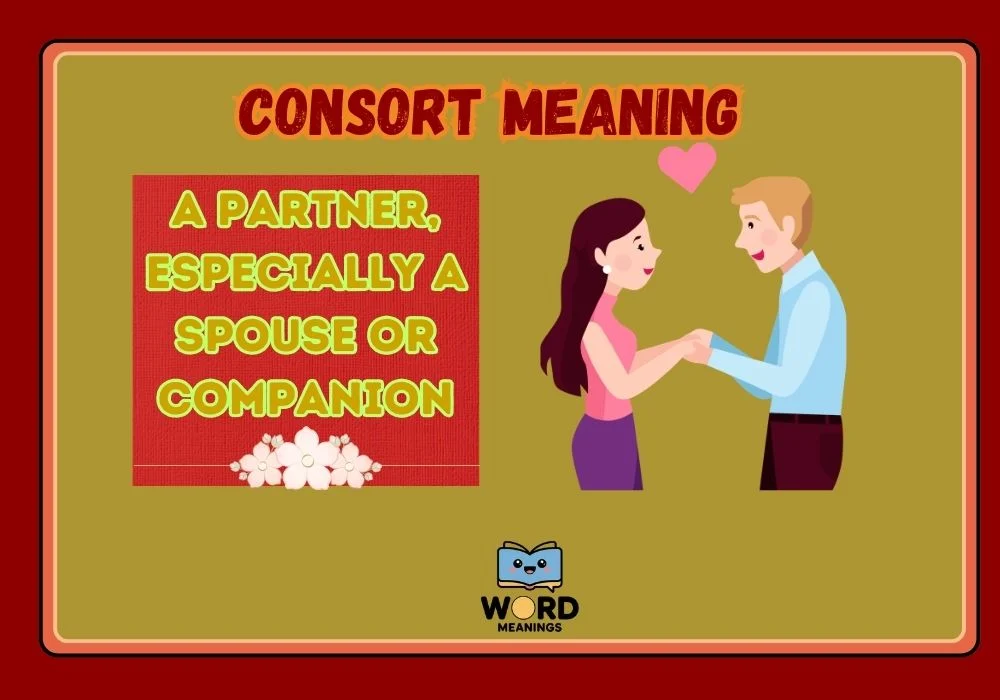
- A spouse or partner (especially of a royal person)
- Example: The queen’s consort attended the ceremony.
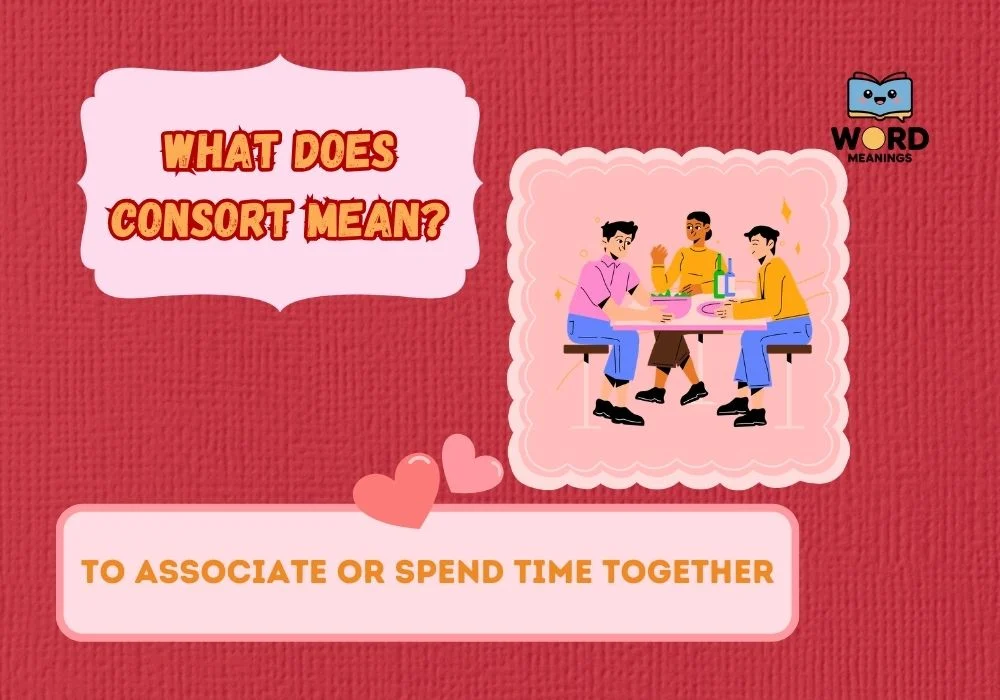
- To associate or keep company with someone (often negative context)
- Example: He was known to consort with criminals.
- A companion or associate
- Example: She traveled with her trusted consort.
Origin of the Word
The word consort comes from the Latin word “consors”, which means:
“sharing fate or partnership”
Over time, it evolved in English to describe companionship, partnership, or association, especially in royal or formal settings.
How to Use Consort in Texts or Chat

Unlike slang abbreviations, consort is a formal or semi-formal word, but it can still be used in modern conversations—especially when you want to sound more expressive or descriptive.
1. As a Noun (Most Common Use)
Used to describe a partner, spouse, or companion.
Examples:
- He attended the event with his consort.
- The king and his consort greeted the guests.
2. As a Verb
Used to describe spending time with someone, often with a slightly negative tone.
Examples:
- He consorts with the wrong crowd.
- She was accused of consorting with rivals.
3. In Modern Chat (Rare but Possible)
While not common in casual texting, it may appear in:
- Storytelling
- Roleplay chats
- Formal discussions
- Humorous or sarcastic messages
Example:
“I refuse to consort with people who don’t like pizza 😄”
Examples of Consort in Conversations
Here are some real-life style examples to help you understand how it’s used.
Example 1: Formal Conversation
Person A: Who was with the queen at the event?
Person B: That was her consort.
Example 2: Casual but Expressive
Friend 1: Why don’t you hang out with them anymore?
Friend 2: I don’t want to consort with people like that.
Example 3: Humorous Use
Chat Message:
“I only consort with coffee lovers ☕”
Example 4: Storytelling Context
Narration:
“The prince and his consort ruled with wisdom and grace.”
Common Mistakes or Misunderstandings
Even though consort is straightforward, many people misuse or misunderstand it.
1. Thinking It Only Means “Royal Spouse”
While it is commonly used in royal contexts, consort is not limited to royalty.
✔ Correct: She is his consort.
✔ Also correct: He consorts with questionable people.
2. Confusing the Noun and Verb Forms
- Noun: A partner or companion
- Verb: To associate with someone
Example confusion:
❌ He is consort with criminals
✔ He consorts with criminals
3. Assuming It’s Slang
Unlike modern abbreviations, consort is a formal English word, not internet slang.
Related Words or Synonyms
If you’re learning vocabulary, here are similar words to consort:
Synonyms (Noun)
- Companion
- Partner
- Spouse
- Associate
Synonyms (Verb)
- Associate
- Mix with
- Socialize with
- Keep company with
Related Expressions
- Partner in crime (informal)
- Better half (romantic)
- Associate with (formal alternative)
When Should You Use “Consort”?
The word consort works best in:
- Formal writing (essays, articles)
- Storytelling or literature
- Historical or royal contexts
- Expressive or humorous speech
When to Avoid It
Avoid using consort in:
- Very casual texting (it may sound unnatural)
- Everyday conversations where simpler words fit better
Instead, use:
- “friend”
- “partner”
- “hang out with”
Consort in Modern Usage (2026 Update)
In 2026, consort is still used, but mainly in:
- Books and novels
- Historical dramas
- News (especially about royalty)
- Formal writing
It’s not trending in internet slang, but it remains a useful vocabulary word that adds depth and sophistication to your language.
Why Learning Words Like “Consort” Matters
Expanding your vocabulary with words like consort helps you:
- Speak and write more clearly and effectively
- Understand books, movies, and articles better
- Add variety and style to your communication
- Avoid repeating simple words like “friend” or “partner”
Conclusion:
The word consort is a versatile English term that can mean a partner, companion, or someone you associate with. It can be used both as a noun and a verb, making it flexible in different contexts.
While it may not be a trending slang term, consort still plays an important role in formal language, storytelling, and even expressive conversations. Understanding how and when to use it can elevate your communication and help you sound more confident and articulate.
So next time you see or hear consort, you’ll know exactly what it means—and how to use it correctly.
Now it’s your turn:
💬 Have you ever used the word “consort” in a sentence? Share your example below!