If you’ve ever been texting, scrolling through social media, or chatting in a group and someone said, “I’ll be blunt,” or “That was kinda blunt,” you might’ve paused and thought: Wait… what exactly do they mean here?
In modern texting and online chat culture, understanding the blunt meaning is super important. A single word like blunt can completely change the tone of a conversation — it can sound honest, rude, funny, or even caring, depending on how it’s used.
This guide breaks down the blunt meaning in text and chat, with real-life examples, common mistakes, and related slang — all updated for 2025 so you stay in the loop.
What Does “Blunt” Mean? (Definition & Origin)
Blunt Meaning (Simple Definition)
In texting and chat, blunt means:
Being very direct, honest, and straightforward — often without softening words or worrying about feelings.
When someone is blunt, they say exactly what they think. No sugarcoating. No extra fluff.
Origin of the Word “Blunt”
The word blunt originally comes from Old French blont, meaning dull or not sharp. Over time, it evolved to describe speech or behavior that is direct and unpolished — like words that hit straight without a filter.
In internet slang and modern chat:
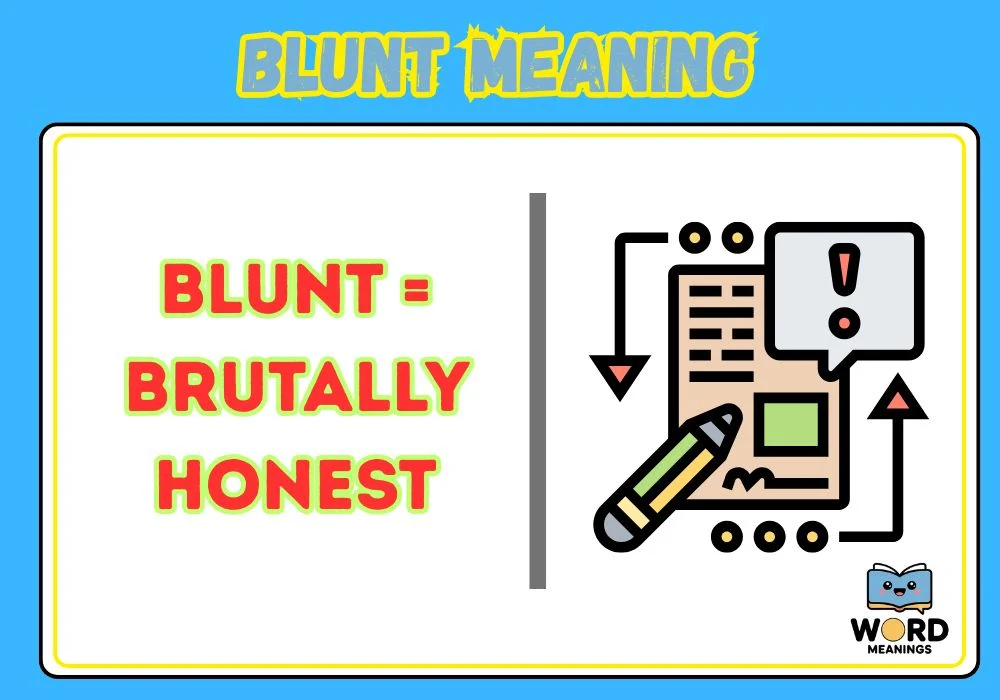
- Blunt = brutally honest
- Blunt = straight to the point
- Blunt = no emotional cushioning
Blunt Meaning in Text vs Real Life
In real life, bluntness depends on tone and body language.
In text? There’s no tone, so blunt messages can sometimes feel harsher than intended.
Example:
- Spoken: “That idea won’t work” (said gently)
- Texted: “That won’t work.” (sounds blunt, maybe rude)
How to Use “Blunt” in Texts or Chat
Using “Blunt” About Yourself
People often warn others before being honest.
Examples:
- “I’m gonna be blunt — that plan is risky.”
- “Not to be rude, but I’ll be blunt.”
- “Blunt answer? You deserve better.”
👉 This usually means honesty is coming, not insults (hopefully 😅).
Using “Blunt” to Describe Someone Else
You might use it to explain someone’s communication style.
Examples:
- “She’s blunt but means well.”
- “He’s kinda blunt in texts.”
- “Don’t take it personally, he’s just blunt.”
Here, blunt often means direct, not emotional.
Where “Blunt” Is Commonly Used
You’ll see the blunt meaning used a lot on:
- WhatsApp & Messenger chats
- Instagram & TikTok comments
- Reddit discussions
- Twitter / X replies
- Online forums & Discord servers
Examples of “Blunt” in Conversations
Casual Chat Examples
- A: “Do you like my outfit?”
B: “Being blunt… it’s not my style.” - “I appreciate you being blunt instead of lying.”
Funny / Relatable Examples
- “He didn’t roast me, he was just blunt 😭”
- “I asked for honesty and got a blunt reality check.”
Social Media Examples (2025 Style)
- “Blunt opinion: this trend is overrated.”
- “She’s blunt, not mean. Learn the difference.”
- “POV: your friend is blunt and you weren’t ready.”
Professional or Serious Context
- “My manager is blunt, but feedback is clear.”
- “I respect blunt communication at work.”
Is Being Blunt a Good or Bad Thing?
Short answer: It depends on context.
Positive Side of Being Blunt
- Saves time
- Avoids confusion
- Feels honest and real
- Builds trust (when done respectfully)
Negative Side of Being Blunt
- Can sound rude in text
- Can hurt feelings
- Lacks emotional softness
- Easy to misunderstand online
💡 In texting, blunt messages often need extra context or emojis to avoid drama.
Common Mistakes or Misunderstandings
1. Confusing “Blunt” with “Rude”
Not the same thing.
- Blunt: honest, direct
- Rude: disrespectful, insulting
Example:
- Blunt: “This isn’t working.”
- Rude: “This is stupid.”
2. Taking Blunt Texts Too Personally
Because texts lack tone, blunt messages can feel colder than intended.
Tip:
👉 Look at context + relationship, not just words.
3. Overusing “I’ll Be Blunt”
If someone always says “I’ll be blunt”, it can feel like an excuse to be harsh.
Balance honesty with empathy.
Blunt Meaning in Slang & Double Meanings
Slang Meaning: Blunt (Weed Context)
In some slang contexts, blunt also means:
A cigar or wrap filled with cannabis.
Example:
- “Rolling a blunt tonight.”
⚠️ Context matters. In chat discussions about feelings or opinions, blunt almost always means direct/honest, not weed.
Related Slangs & Abbreviations
Here are some slang terms closely related to the blunt meaning:
- FR – For real (honest reaction)
- TBH – To be honest
- NGL – Not gonna lie
- Straight up – Direct truth
- No filter – Saying everything openly
- Brutally honest – Very blunt honesty
👉 Internal linking idea:
You can link this article to posts like “TBH Meaning in Text” or “NGL Meaning in Chat” for better SEO.
How to Use “Blunt” Correctly in Your Own Texts
When It’s Okay to Be Blunt
- Giving advice
- Offering feedback
- Serious conversations
- When honesty is requested
How to Soften a Blunt Message
Use:
- Emojis 😊
- Context phrases (“I mean this kindly”)
- Follow-up explanations
Example:
- “I’ll be blunt — this might hurt a bit, but I care.”
Blunt Meaning for Different Audiences
Friends
Usually acceptable, especially close friends.
Dating / Relationships
Be careful — blunt texts can be misread emotionally.
Work & Professional Chats
Bluntness is often valued, but politeness matters.
Why Understanding “Blunt Meaning” Matters in 2025
Online communication is faster, shorter, and more direct than ever. In 2025, people value clarity, but also emotional intelligence.
Knowing the blunt meaning in chat or text helps you:
- Avoid unnecessary arguments
- Understand others’ intentions
- Communicate honestly without sounding rude
- Read between the lines online
Conclusion:
To sum it up, blunt in texting and chat means direct, honest, and straightforward communication, often without emotional padding. It’s not automatically rude — but in text form, it can feel harsh if you’re not expecting it.
When used correctly, being blunt saves time and builds trust. When misunderstood, it can spark unnecessary drama. Context, tone, and relationship always matter.
Updated for 2025, this guide helps you spot blunt messages, understand their intent, and use the word blunt the right way in your own conversations.
👉 Now your turn:
What’s your favorite text abbreviation or slang word? Share it in the comments!