If you’ve ever seen “bon appétit” pop up in a text, Instagram comment, or WhatsApp chat and wondered “wait… what exactly does that mean here?” — you’re not alone.
Understanding phrases like bon appétit is important in modern chat culture because language online isn’t just about grammar anymore; it’s about vibe, tone, and context. What started as a classic French dining phrase is now casually used in texts, captions, and even memes.
Updated for 2026, this guide breaks down the bon appetit meaning, how people actually use it in chats today, and how you can use it naturally without sounding awkward or out of place.
What Does “Bon Appetit” Mean? (Definition & Origin)
Bon Appetit Meaning (Simple Definition)
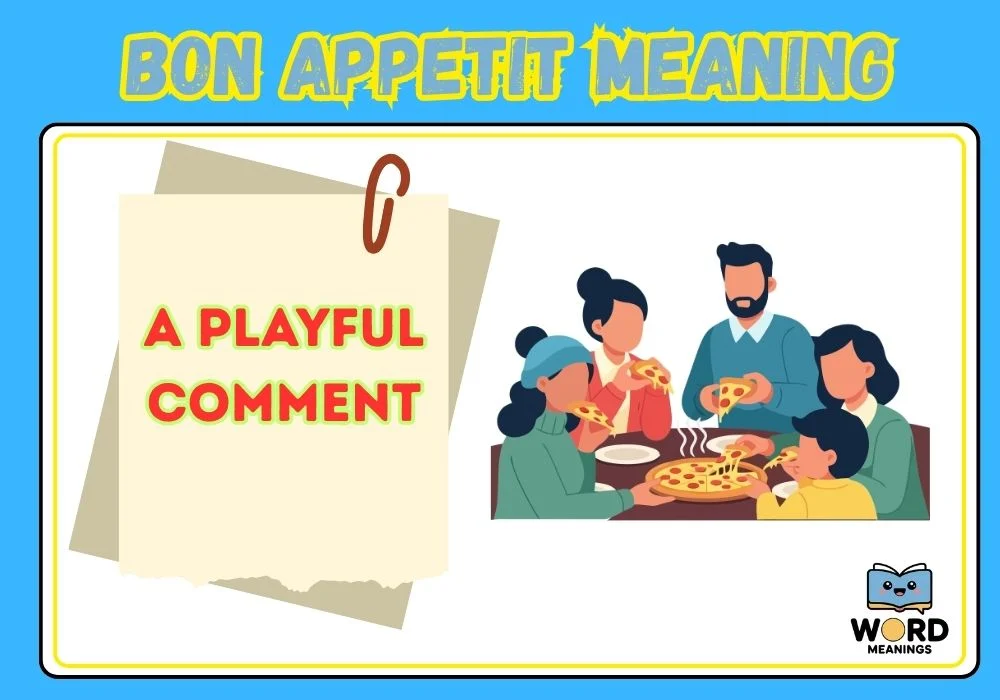
Bon appétit literally means “enjoy your meal.”
- Language: French
- Literal translation:
- Bon = good
- Appétit = appetite
So together, it means “good appetite”, which in English we understand as “hope you enjoy eating.”
Where Did It Come From?
The phrase comes from French dining culture, where it’s polite to say bon appétit before someone starts eating. Over time, English speakers adopted it — especially in restaurants, cooking shows, and food-related conversations.
Today, thanks to social media and texting culture, bon appetit is no longer limited to fancy dinners. It’s now:
- A friendly text
- A playful comment
- A sarcastic joke
- A foodie caption
Bon Appetit Meaning in Texts and Chats
In texting or chat language, bon appetit usually means:
“Enjoy your food!”
“Hope your meal is good!”
“Happy eating 😄”
But context matters. In chats, it can feel:
- Warm
- Casual
- Playful
- Sometimes even ironic or sarcastic
Is “Bon Appetit” an Abbreviation?
No — bon appétit is not an abbreviation or slang acronym like LOL or BRB.
However, it functions like modern chat slang because people use it casually, without thinking about its formal French roots.
Some people even shorten or stylize it in texts:
- Bon appetit!
- Bon app!
- Bon ap 😋
How to Use “Bon Appetit” in Texts or Chat
Using bon appetit correctly is easy once you understand the situation. It’s mostly about timing and tone.
When to Use Bon Appetit
You can say it when:
- Someone mentions they’re about to eat
- Someone sends food pics
- You’re replying to a meal-related post
- You want to sound polite or playful
Common Chat Situations
- Texting: WhatsApp, Messenger, iMessage
- Social media: Instagram comments, Snapchat, Facebook
- Online communities: Reddit, Discord, forums
Examples of Natural Usage
- “Your lunch looks amazing — bon appetit!”
- “Dinner time already? Bon appétit 😄”
- “Just ordered pizza.”
“Niceee, bon appetit! 🍕”
Examples of “Bon Appetit” in Real Conversations
1. Casual Texting
Friend: I’m finally eating after work
You: About time 😂 bon appetit!
2. Instagram Comment
That pasta looks unreal 🤤 bon appétit!
3. Family Group Chat
Mom: Food is ready
You: Coming! Bon appetit everyone ❤️
4. Funny or Sarcastic Use
Friend: Eating instant noodles again
You: Five-star dinner huh… bon appetit 😌
This playful or ironic tone is very common online in 2025.
How “Bon Appetit” Is Used on Social Media (2025 Trend)
In recent years, bon appetit has become a mini food-culture phrase online.
Popular Places You’ll See It
- Instagram food reels
- TikTok cooking videos
- YouTube Shorts
- Pinterest recipes
Caption Examples
- “Midnight cravings hit hard 😭 bon appetit”
- “Homemade biryani day 🍛 bon appétit!”
- “Eating alone but still saying bon appetit to myself”
This self-aware, humorous usage is very Gen Z / Millennial.
Common Mistakes or Misunderstandings
Even though it’s simple, people still mess it up.
1. Wrong Spelling
❌ Bon appetite
❌ Bon apetit
✅ Bon appétit (accent optional in English)
In casual texting, skipping the accent is totally fine.
2. Using It After Eating
Traditionally, bon appétit is said before eating — not after.
- ❌ “I just finished dinner, bon appetit”
- ✅ “Enjoy your dinner, bon appetit!”
That said, online chats are more relaxed, so people don’t always follow the rule strictly.
3. Thinking It’s Only Formal
Some people avoid it because they think it sounds “too fancy.”
In reality:
- It’s normal
- It’s friendly
- It’s widely used in casual chats
No tuxedo required 😄
Related Slangs and Expressions You Might See
If you’re reading about bon appetit meaning, you’ll probably run into similar phrases too.
Similar Food-Related Expressions
- Enjoy! – Simple and universal
- Dig in! – Casual and friendly
- Happy eating! – Informal
- Eat well! – Polite and warm
Modern Text Alternatives
- “Enjoyyy 😋”
- “Go destroy that food 🔥”
- “Save me some 😂”
👉 Internal linking idea:
You can link this article to posts like:
- “ASL Meaning in Chat”
- “LOL Meaning in Text”
- “SMH Meaning on Social Media”
Is “Bon Appetit” Still Relevant in 2025?
Yes — and more than ever.
With food content dominating social platforms, bon appetit has stayed relevant because:
- It’s short
- It’s universally understood
- It works across cultures
- It adds personality to messages
Unlike outdated slang, this phrase keeps evolving with context.
How to Sound Natural When Using “Bon Appetit”
Here’s a quick cheat sheet:
Best Practices
- Pair it with emojis 😋🍕🍔
- Use it before someone eats
- Match the tone of the chat
- Don’t overthink the accent mark
Avoid
- Using it in serious, unrelated conversations
- Forcing it where food isn’t mentioned
Quick Summary: Bon Appetit Meaning in Chat
- Meaning: Enjoy your meal
- Origin: French
- Use in texting: Friendly, casual, playful
- Popular on: Instagram, WhatsApp, TikTok
- Still relevant: Yes (Updated for 2025)
Conclusion:
The bon appetit meaning goes far beyond its French roots. In today’s chat and texting culture, it’s a warm, friendly way to connect — whether you’re reacting to a food pic, teasing a friend, or just being polite. Its flexibility is exactly why it’s still popular in 2025.
If you want to sound natural online, remember: language is about context, tone, and intention, not just definitions. Used right, bon appétit can make your messages feel more human and engaging.