In online conversations, social media posts, and everyday speech, certain words can carry stronger meanings than they first appear. One such word is “vicious.” You might see someone say “that was a vicious roast” or “he made a vicious comment” and wonder what they actually mean.
Understanding the meaning of “vicious” is important because the word can describe cruel behavior, harsh criticism, or even something extremely intense depending on the context. In texting and internet culture, the term is often used to describe aggressive actions, savage jokes, or brutal criticism.
This guide explains the full meaning of “vicious,” how people use it in chats or texts, real-life examples, common misunderstandings, and related slang terms.
Updated for 2026, this article reflects how the word appears in modern conversations, social media, and messaging apps.
What Does “Vicious” Mean? (Definition & Origin)
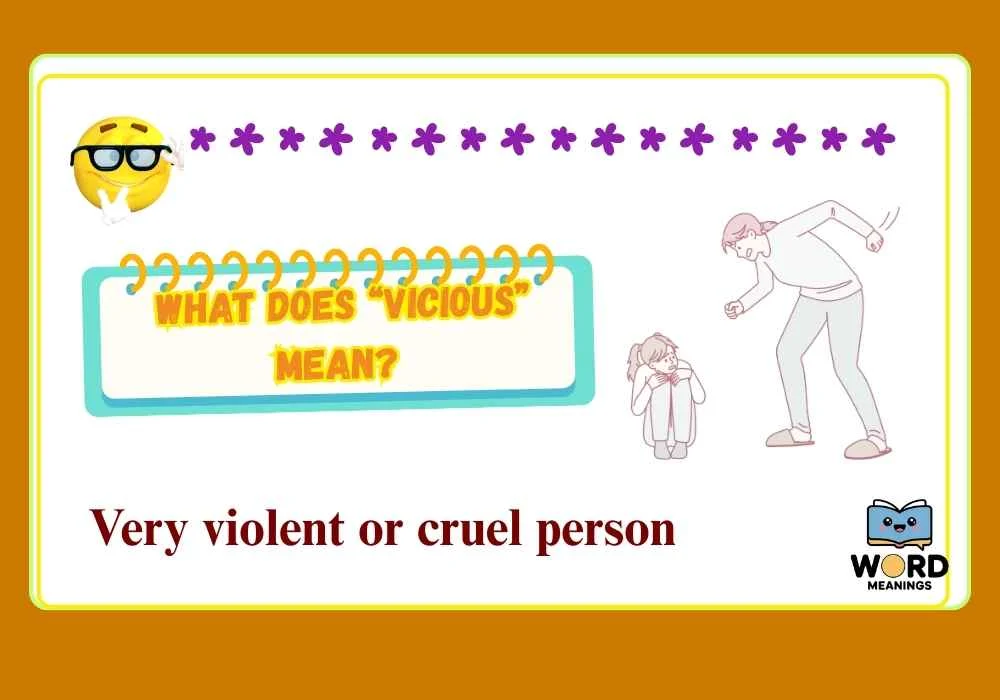
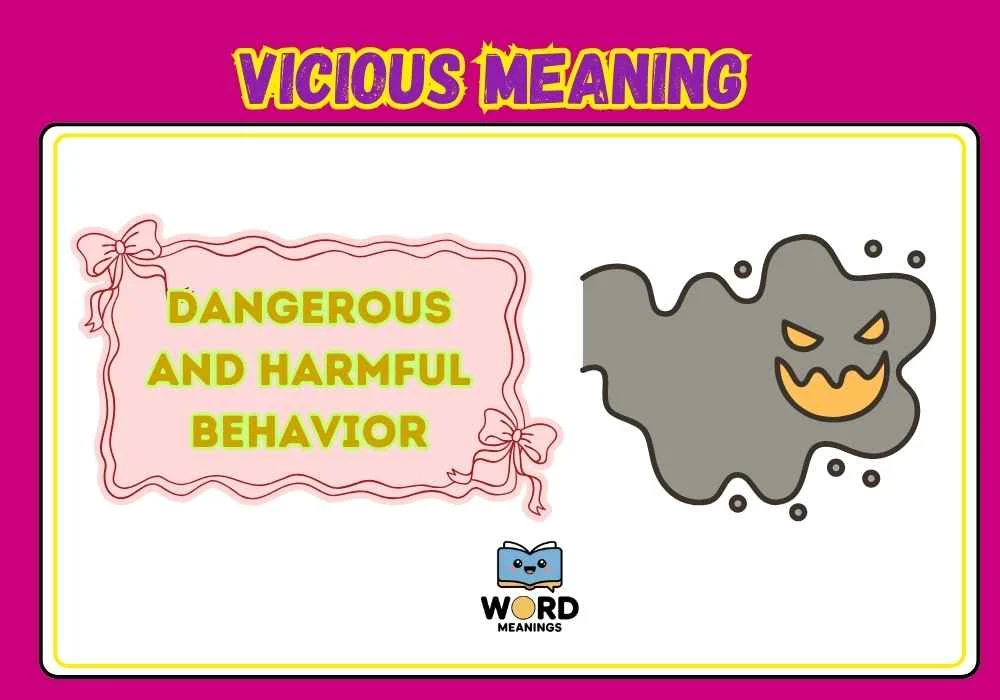
The word vicious generally means cruel, violent, aggressive, or intentionally harmful. It describes actions, behavior, or words that are extremely harsh or hurtful.
Simple Definition
Vicious means:
- Very aggressive or violent
- Cruel or harmful
- Extremely harsh or savage
Basic Example
- “The dog became vicious when strangers came near.”
In this sentence, vicious describes aggressive behavior.
Origin of the Word “Vicious”
The word vicious comes from the Latin word “vitiosus,” which meant faulty, corrupt, or morally bad. Over time, the meaning evolved in English to describe violent, cruel, or destructive behavior.
Today, the word appears in many contexts:
- Everyday conversations
- Social media posts
- News headlines
- Online debates
How to Use “Vicious” in Texts or Chat
In texting or online conversations, vicious is often used in a slightly exaggerated or dramatic way. People use it to describe very harsh comments, brutal jokes, or intense situations.
Common Ways People Use “Vicious” Online
- Vicious roast – extremely harsh joke about someone
- Vicious comment – very mean or aggressive remark
- Vicious attack – intense criticism
- Vicious rumor – harmful gossip
Example in Texting
Friend 1: Did you see that comment on his post?
Friend 2: Yeah, it was vicious.
Meaning: The comment was very harsh or cruel.
Example on Social Media
Tweet:
“His comeback was absolutely vicious 😭”
Here, vicious means brutally savage or extremely sharp.
Examples of “Vicious” in Conversations
Understanding how the word appears in real conversations makes it easier to use correctly.
Example 1: Online Argument
Person A: Why did he respond like that?
Person B: That was a vicious reply.
Meaning: The reply was very harsh or aggressive.
Example 2: Friendly Roast
Friend 1: Your haircut looks like a pineapple 😂
Friend 2: Wow that was vicious.
Meaning: The joke was brutal but funny.
Example 3: News Discussion
User 1: Did you read about the dog attack?
User 2: Yeah, it was a vicious attack.
Meaning: The attack was violent and severe.
Example 4: Social Media Comment
Post:
“That roast was vicious but hilarious.”
Meaning: The insult was very harsh but funny.
Different Meanings of “Vicious” Depending on Context
The word vicious doesn’t always mean exactly the same thing. Its meaning changes depending on the situation.
1. Violent or Dangerous
This is the literal meaning.
Example:
- “The animal became vicious.”
Meaning: Aggressive or violent.
2. Extremely Cruel
Example:
- “He made a vicious remark about her appearance.”
Meaning: Very hurtful or mean.
3. Brutal or Savage (Internet Slang Use)
Example:
- “That roast was vicious.”
Meaning: Extremely sharp or savage criticism.
4. Intense or Severe
Example:
- “There was a vicious storm last night.”
Meaning: Extremely strong or powerful.
Funny or Relatable Scenario
Imagine this group chat conversation:
Ali: I finally tried cooking pasta.
Sara: It looked like noodles survived a war.
Ali: Wow… that was vicious 😂
Here, vicious means a brutally honest joke.
Common Mistakes or Misunderstandings
Even though the word is common, people sometimes misunderstand how to use vicious.
1. Using It for Small Problems
Incorrect example:
- “My phone battery dying is vicious.”
This sounds unnatural because vicious usually describes something intense or cruel.
2. Confusing “Vicious” with “Angry”
While they can be related, vicious is stronger than simply angry.
Example:
- Angry comment → upset
- Vicious comment → cruel and aggressive
3. Overusing the Word in Casual Chats
In everyday texting, people often replace vicious with slang words like:
- Savage
- Brutal
- Savage roast
But vicious still works when describing very harsh behavior or criticism.
Related Slangs or Abbreviations
Here are some internet slang terms that carry a similar feeling to vicious.
Savage
Savage means brutally honest or harsh.
Example:
“That comeback was savage.”
Brutal
Used when something is extremely harsh or intense.
Example:
“That review was brutal.”
Roast
A joke that mocks someone humorously.
Example:
“He roasted his friend during the stream.”
Clapback
A quick and sharp response to criticism.
Example:
“Her clapback on Twitter was perfect.”
Where the Word “Vicious” Is Commonly Used
You may see the word vicious in many types of online content.
Social Media
People describe insults or comebacks as vicious.
Example:
“That reply was vicious.”
Online Debates
During heated discussions, someone might say:
“That was a vicious argument.”
Gaming Chats
Gamers sometimes use the word for aggressive gameplay.
Example:
“That was a vicious attack.”
Comment Sections
Fans often describe harsh criticism or brutal jokes this way.
Example:
“The comments were vicious.”
Why Words Like “Vicious” Matter in Online Communication
Understanding words like vicious helps people better interpret tone in digital communication.
Online conversations lack facial expressions and voice tone, so words often carry extra weight.
Knowing the difference between:
- Playful teasing
- Harsh criticism
- Aggressive insults
can prevent misunderstandings.
“Vicious” in Modern Internet Culture (2026 Update)
In 2025, internet slang changes quickly, but traditional descriptive words like vicious still appear regularly in posts, comments, and discussions.
However, younger internet users often mix it with slang expressions like:
- Savage
- Brutal
- Destroyed
- Roasted
Example tweet:
“That debate response was absolutely vicious.”
The word adds drama and emphasis, making statements feel stronger and more emotional.
Conclusion
The word vicious generally means cruel, aggressive, violent, or extremely harsh. In everyday language and online chats, it can describe anything from dangerous behavior to brutal jokes or savage criticism.
In texting and social media conversations, people often use vicious to describe sharp comebacks, intense arguments, or extremely harsh comments. While the term originally referred to violent or cruel actions, modern internet users frequently use it in a more dramatic or humorous way.
Understanding words like vicious helps you better interpret tone and meaning in online conversations. As digital communication evolves, knowing both traditional meanings and modern slang usage can make chats clearer and more engaging.
💬 What’s the most “vicious” comeback you’ve seen online? Share it in the comments!