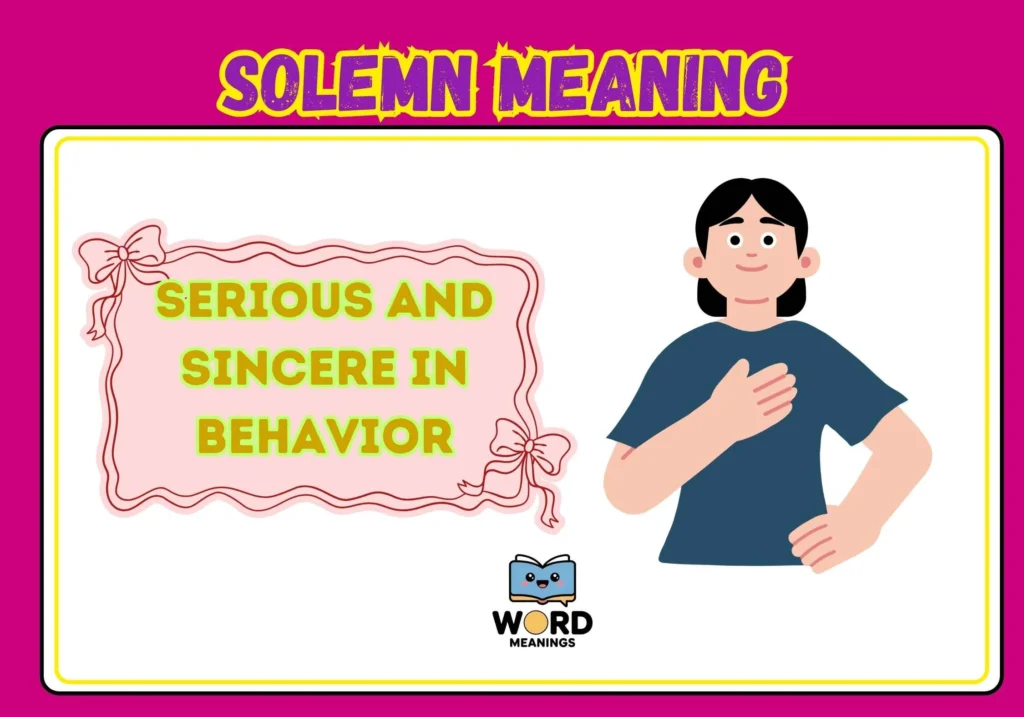
Have you ever seen someone use the word “solemn” in a message, caption, or online discussion and wondered exactly what it means? While it’s not a typical internet abbreviation, solemn is a powerful word often used in both formal writing and everyday conversations.
Understanding words like solemn is important because they help express serious emotions, respect, and sincerity. In texting, social media posts, and conversations, people sometimes use it to describe a serious moment, a promise, or a respectful situation.
In this guide, you’ll learn:
- The true meaning of solemn
- The origin and definition of the word
- How to use solemn in texts and conversations
- Real-life examples and scenarios
- Common misunderstandings
- Related words and expressions
This guide is updated for 2026 to help readers understand how the word is used in both modern communication and traditional language.
What Does Solemn Mean? (Definition & Origin)
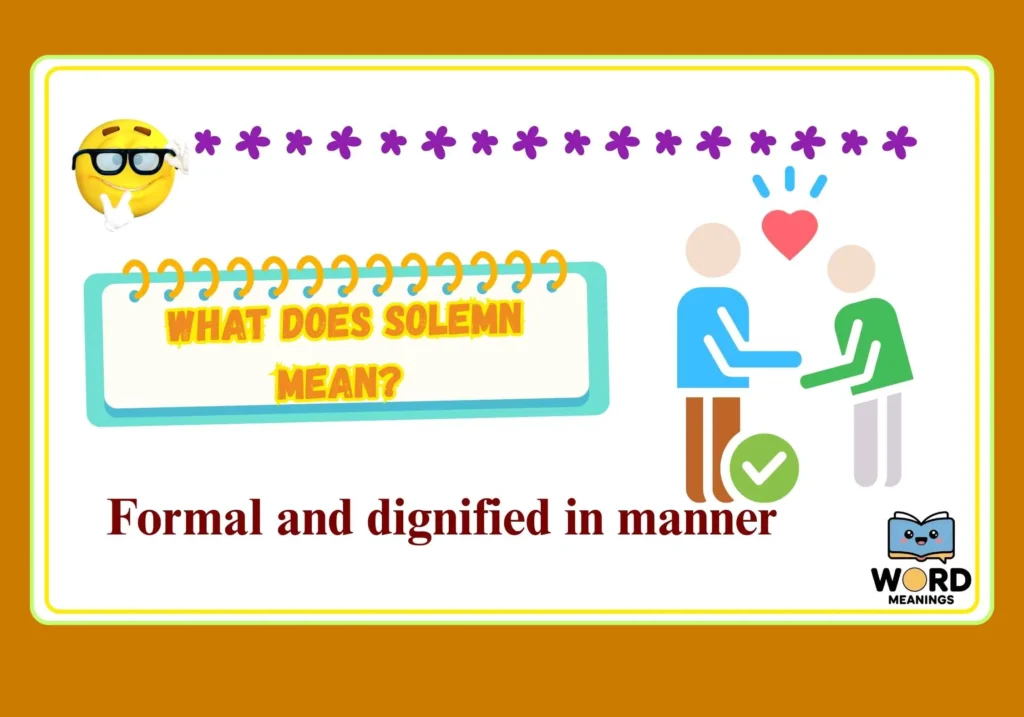
The word solemn describes something that is serious, sincere, formal, or emotionally heavy. It often refers to situations where people behave with respect, dignity, or deep thought.
Simple Definition
Solemn means:
- Serious or thoughtful in mood
- Formal and respectful
- Sincere or deeply meaningful
Example Meaning in Simple Words
If someone looks solemn, it means they are:
- Quiet
- Serious
- Not joking
- Thinking deeply or feeling emotional
Origin of the Word
The word solemn comes from the Latin word “sollemnis,” which originally meant formal, ceremonial, or religious.
Over time, the meaning expanded to describe serious situations, respectful ceremonies, or sincere promises.
Today, the word appears in:
- Books
- News articles
- Speeches
- Social media posts
- Everyday conversations
How to Use Solemn in Texts or Conversations
Although solemn is not internet slang, people still use it in texts or messages to describe serious emotions or respectful situations.
You might see it used when someone talks about:
- Important life events
- Serious moments
- Emotional situations
- Promises or vows
Common Ways People Use “Solemn”
People use the word solemn in different contexts, such as:
1. Describing Someone’s Mood
Example:
“He had a solemn expression during the meeting.”
This means the person looked serious or thoughtful.
2. Talking About Ceremonies or Events
Example:
“The memorial service was a solemn occasion.”
This means the event was serious and respectful.
3. Making a Serious Promise
Example:
“I give you my solemn promise.”
This means the promise is very sincere and important.
Examples of Solemn in Conversations
Here are some realistic examples showing how the word is used in everyday communication.
Example 1: Text Message
Friend 1: Did you see the ceremony today?
Friend 2: Yes, it was very solemn and emotional.
Example 2: Social Media Caption
“A solemn moment as we remember those who sacrificed their lives.”
Example 3: Conversation
Person A: Why is everyone so quiet?
Person B: It’s a solemn occasion, so people are showing respect.
Example 4: Promise
“I make a solemn vow to always support you.”
Real-Life Situations Where the Word “Solemn” Is Used
The word solemn often appears in important or emotional moments.
Some examples include:
Funerals
Funeral ceremonies are often described as solemn because people are showing respect and grief.
Example:
“The atmosphere at the funeral was quiet and solemn.”
National Memorials
When countries remember important historical events, the ceremonies are often solemn.
Example:
“The crowd observed a solemn moment of silence.”
Weddings
Weddings can also include solemn moments, especially during vows.
Example:
“The couple exchanged solemn promises.”
Funny or Relatable Scenario
Imagine this texting conversation:
Friend 1: Why are you so quiet today?
Friend 2: Just in a solemn mood thinking about life.
Friend 1: Wow… that sounds deep.
Sometimes people jokingly use solemn to sound dramatic or philosophical.
Common Mistakes or Misunderstandings
Even though solemn is a common English word, people sometimes misunderstand it.
Let’s look at some mistakes.
1. Thinking Solemn Means Sad
While solemn can include sadness, it doesn’t always mean someone is sad.
It usually means:
- Serious
- Respectful
- Thoughtful
Example:
A wedding ceremony may feel solemn, but it is also joyful.
2. Using Solemn for Everyday Casual Moments
Because solemn implies seriousness, it usually isn’t used for casual situations.
Incorrect example:
“The pizza party was solemn.”
Correct example:
“The memorial service was solemn.”
3. Confusing Solemn With Serious Personality
A person who looks solemn may simply be deep in thought, not always serious or unfriendly.
Related Words and Expressions
If you’re learning vocabulary like solemn, here are some related words you might see.
Serious
Meaning: Not joking or playful.
Example:
“She gave me a serious look.”
Respectful
Meaning: Showing honor or consideration.
Example:
“Everyone remained respectful during the ceremony.”
Sincere
Meaning: Honest and genuine.
Example:
“He gave a sincere apology.”
Thoughtful
Meaning: Deep in thought or considerate.
Example:
“She looked thoughtful during the discussion.”
Related Internet Slang and Chat Expressions
Even though solemn is a traditional word, you might see it mixed with modern chat language.
For example:
Text Example:
“That speech was so solemn… respect 🙏”
Another example:
“Everyone in the chat went quiet. It was a solemn moment.”
Suggested Internal Links (For SEO)
If you’re writing for a blog or website, you can link this article to related content such as:
- Sagacious Meaning in Text
- Gusto Meaning Explained
- Holding Space Meaning
- Matinee Meaning
Internal links improve SEO performance and reader engagement.
Why Learning Words Like “Solemn” Matters
Even in the era of emojis, memes, and abbreviations, strong vocabulary still matters.
Words like solemn help people:
- Express deep emotions
- Describe serious events
- Communicate respect and sincerity
Understanding words like this improves both online and offline communication.
Solemn Meaning in Modern Communication (2026 Update)
In 2026, communication mixes formal words with internet culture. You might see solemn used in:
- Social media posts
- Online discussions
- News captions
- Text messages
- Blog writing
Even though it’s an older word, solemn remains relevant because people still need ways to express serious emotions and meaningful moments.
Conclusion:
The word solemn describes something serious, sincere, respectful, or emotionally meaningful. It’s often used to describe important events, deep thoughts, or heartfelt promises.
Although it’s not a typical texting abbreviation, people still use solemn in messages, captions, and conversations when talking about serious or respectful moments.
Learning words like solemn helps you better understand both traditional language and modern communication.
Whether you’re reading a speech, a social media post, or a message from a friend, recognizing the meaning of solemn will help you understand the tone and emotion behind the words.
Now we’d love to hear from you:
💬 What English word do you find interesting or confusing? Share it in the comments!