If you’ve ever seen someone called “sanctimonious” in a comment section, text message, or online argument, you might wonder what the word actually means. It’s not a common everyday word like “nice” or “mean,” but it pops up surprisingly often in debates, social media discussions, and sarcastic conversations.
Understanding words like sanctimonious is important because modern communication—especially online—often includes expressive or dramatic vocabulary. When someone uses this word in chat or text, they are usually criticizing someone’s attitude rather than simply describing behavior.
In this guide, we’ll explain the sanctimonious meaning, where the word comes from, how people use it in texting and conversations, and examples you might see on social media. This article is updated for 2026, so it also reflects how the term appears in modern online discussions and digital communication.
What Does “Sanctimonious” Mean? (Definition & Origin)
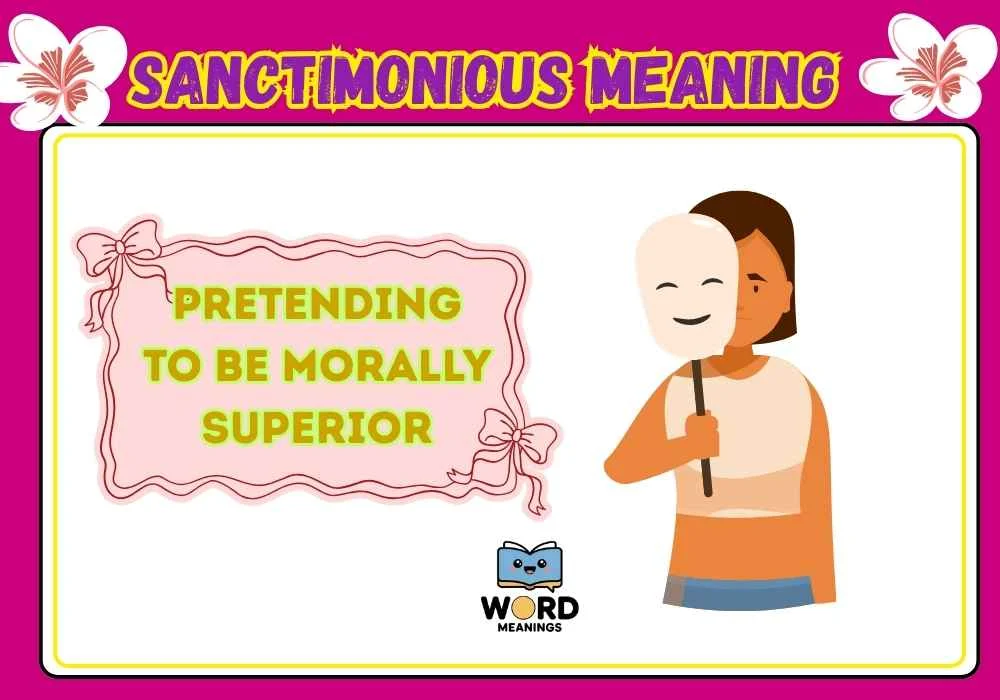
The word sanctimonious describes someone who acts morally superior or overly righteous, often pretending to be better than others.
Simple Definition
Sanctimonious:
A person who pretends to be morally superior or excessively righteous, especially in a way that feels fake or annoying.
In simpler terms, a sanctimonious person behaves like they are holier-than-thou or constantly judging others.
Example in Plain English
Imagine someone saying:
“I would never watch such trashy shows. I only watch documentaries.”
If they say it in a way that makes others feel judged, someone might reply:
“Stop being so sanctimonious.”
Origin of the Word
The word sanctimonious comes from the Latin root “sanctus,” meaning holy or sacred.
Originally, the term referred to religious holiness, but over time it evolved to describe people who pretend to be morally superior, especially when their behavior seems hypocritical.
By the 17th century, sanctimonious was commonly used in English literature to criticize people who display fake moral virtue.
Today, it’s widely used in:
- debates
- social media arguments
- opinion articles
- sarcastic conversations
How to Use “Sanctimonious” in Texts or Chat
Although sanctimonious is a formal word, it still appears in casual conversations—especially when people are criticizing someone’s attitude online.
1. Calling Out Moral Superiority
One of the most common uses is when someone acts like they are better than everyone else.
Example:
Person 1: People who eat junk food clearly don’t care about their health.
Person 2: Wow, that sounds really sanctimonious.
Here, the second person is pointing out that the first person sounds judgmental or self-righteous.
2. In Social Media Arguments
You’ll often see the word during heated discussions on platforms like Twitter/X, Reddit, or Instagram.
Example:
“Your sanctimonious attitude isn’t helping the discussion.”
This means the person believes someone is pretending to be morally superior.
3. Sarcastic or Humorous Use
Sometimes the word is used jokingly among friends.
Example:
Friend 1: I woke up at 5 AM and did yoga.
Friend 2: Stop being so sanctimonious 😂
Here it’s meant humorously rather than seriously.
4. Describing Someone’s Tone
You might also see it used to describe someone’s tone in writing or speech.
Example:
“The article had a sanctimonious tone, like the author was lecturing everyone.”
Examples of “Sanctimonious” in Conversations
To fully understand the sanctimonious meaning, it helps to see it in real-life situations.
Example 1: Social Media Debate
User 1: People who don’t recycle are terrible humans.
User 2: That comment sounds pretty sanctimonious.
Meaning: The person sounds morally superior.
Example 2: Workplace Conversation
Employee 1: I never miss a deadline unlike some people here.
Employee 2: That sounded a bit sanctimonious.
Meaning: The statement feels judgmental.
Example 3: Casual Chat Between Friends
Friend 1: I only drink organic green smoothies.
Friend 2: Wow, don’t get all sanctimonious on me.
Meaning: The friend is teasing them for acting superior.
Example 4: Online Comment
“His speech was so sanctimonious it sounded like he was preaching.”
Meaning: The speech felt preachy or self-righteous.
Common Mistakes or Misunderstandings
Because sanctimonious is a complex word, many people misunderstand or misuse it.
Let’s clear up some common mistakes.
1. Confusing It With “Religious”
Some people assume sanctimonious simply means religious, but that’s incorrect.
It actually means pretending to be morally superior, not genuinely being religious.
For example:
❌ Incorrect:
“She goes to church every Sunday, so she’s sanctimonious.”
✔ Correct:
“She acts sanctimonious about other people’s choices.”
2. Using It for Genuine Kindness
A kind or ethical person is not automatically sanctimonious.
The word only applies when someone acts self-righteous or judgmental.
Example:
- Helping others → kind
- Bragging about helping others → possibly sanctimonious
3. Mispronouncing the Word
The correct pronunciation is:
sank-tuh-MOH-nee-us
Many people incorrectly stress the first syllable.
Related Words and Similar Expressions
If you understand sanctimonious, you’ll also recognize several similar words used in conversation.
Synonyms
Words with similar meanings include:
- Self-righteous
- Holier-than-thou
- Hypocritical
- Judgmental
- Pretentious
Example:
“His self-righteous tone annoyed everyone.”
Common Slang Alternatives
In casual texting or internet slang, people might express the same idea using simpler words:
- “Preachy”
- “Judgy”
- “Acting superior”
- “Trying to be morally perfect”
Example:
“Stop being so preachy.”
Related Expressions
Here are phrases that carry a similar meaning:
- Holier-than-thou attitude
- Moral superiority
- Virtue signaling
- Acting morally superior
These phrases often appear in online debates or opinion discussions.
Where You’ll See “Sanctimonious” Online in 2025
In modern internet culture, sanctimonious appears most often in discussions where people disagree about opinions or ethics.
Common places include:
Social Media Platforms
- Twitter/X debates
- Instagram comment sections
- TikTok discussions
Example:
“Your sanctimonious rant isn’t convincing anyone.”
Online Forums
Platforms like Reddit often use the term during arguments about politics, lifestyle choices, or social issues.
Opinion Blogs and Articles
Writers often criticize someone’s tone by calling it sanctimonious.
Example:
“The columnist’s sanctimonious tone alienated readers.”
Tips for Using “Sanctimonious” Correctly
If you want to use the word correctly, remember these simple tips:
Use It When Someone:
- Acts morally superior
- Judges others harshly
- Pretends to be more ethical than everyone else
Avoid Using It When Someone Is Simply:
- kind
- religious
- disciplined
- responsible
The key difference is attitude and tone.
Quick Summary: Sanctimonious Meaning
Here’s a quick recap of the main points:
- Sanctimonious means acting morally superior or self-righteous.
- It often describes someone who judges others while pretending to be morally perfect.
- The word originates from Latin roots related to holiness.
- It’s commonly used in debates, social media arguments, and sarcastic conversations.
- Similar words include self-righteous, preachy, and holier-than-thou.
Conclusion:
The word sanctimonious is a powerful way to describe someone who acts morally superior or self-righteous, especially when their behavior feels fake or overly judgmental. While the term has historical roots related to holiness, its modern usage is mostly critical and often appears in debates or sarcastic conversations.
In today’s digital communication—especially on social media—words like sanctimonious help people describe attitudes and tones that feel preachy or hypocritical. Knowing its meaning can help you better understand discussions, online comments, and even everyday conversations.
Updated for 2025, this guide should help you recognize and use the word correctly in both writing and casual chats.
💬 Now it’s your turn:
What’s the most interesting word you’ve seen used in online arguments? Share it in the comments!